Bonus Photos
Click each photo to enlarge.
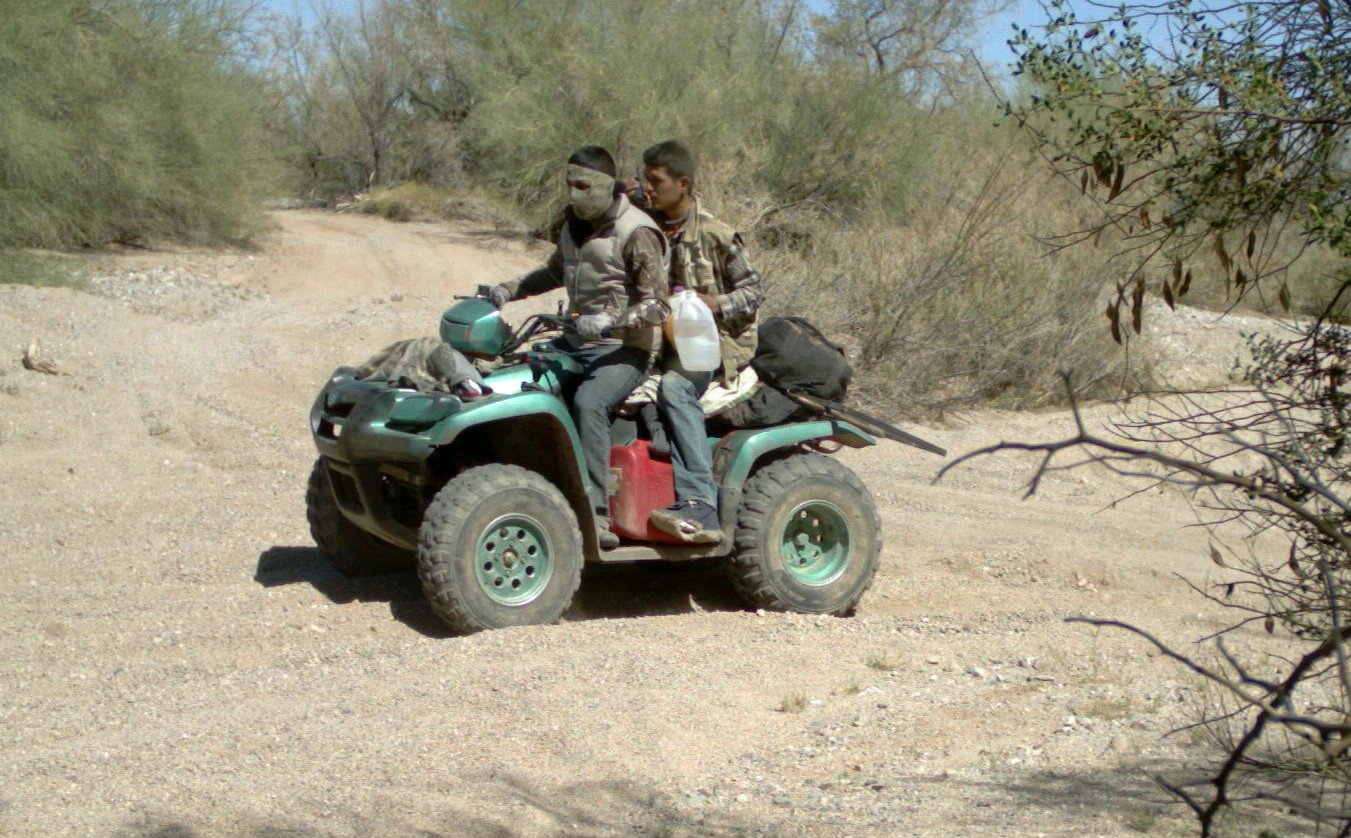
Two of El Memo's traffickers head south after dropping a marijuana load at a nearby stash house and were already resupplying for the next run. The rear passenger uses an encrypted radio to coordinate with mountain scouts. Carpet booties on their shoes mask their tracks from Border Patrol and other law enforcement.
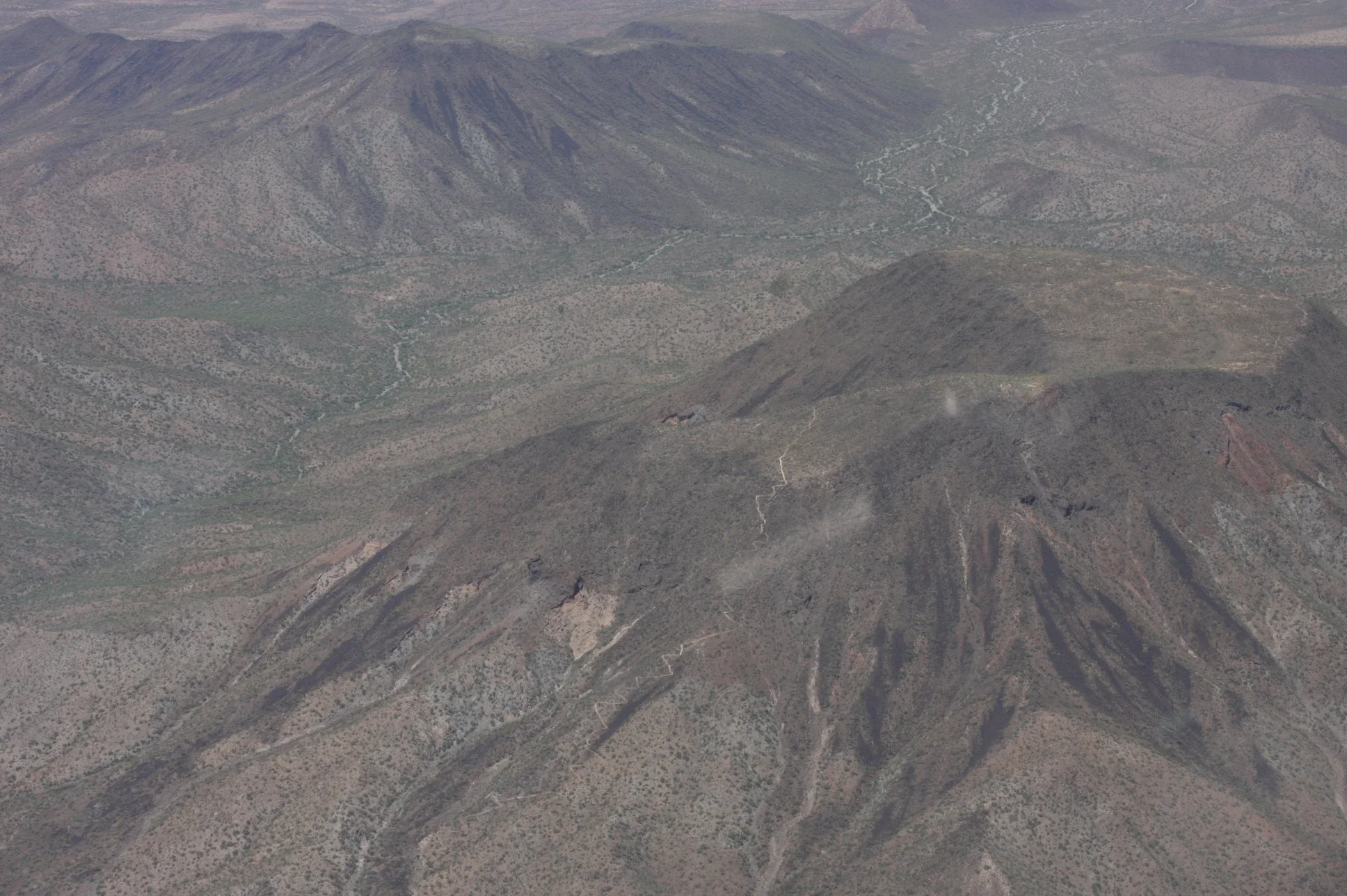
Ninety miles of open desert between the border and Phoenix partly photographed from a CBP helicopter during active surveillance. From the air, the smuggling corridor was obvious. From the ground, it looked like nothing at all. That gap was the network's greatest asset.
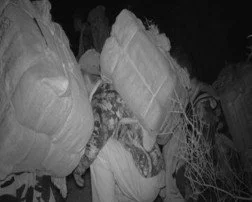
Marijuana smugglers wait for their load vehicle within feet of our covert camera, unaware they were being watched. Moments like this one took hundreds of hours of surveillance to capture. The patience eventually paid off.
A four-image sequence showing a drug-laden SUV crossing into the US on a makeshift ramp thrown over the border fence near Nogales, AZ. The entire crossing took less than three minutes. The vehicle and the drugs were in Phoenix before most people finished their morning coffee.
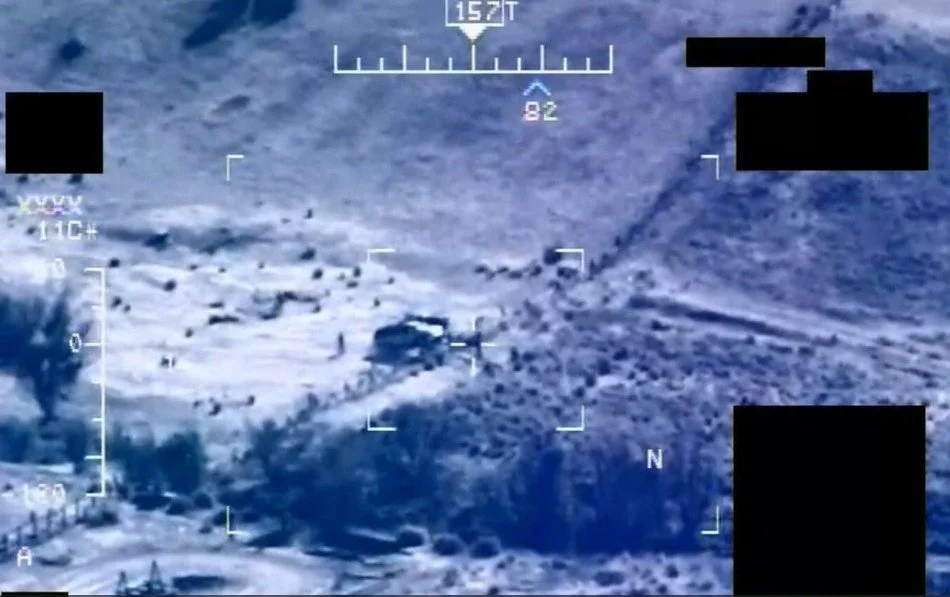
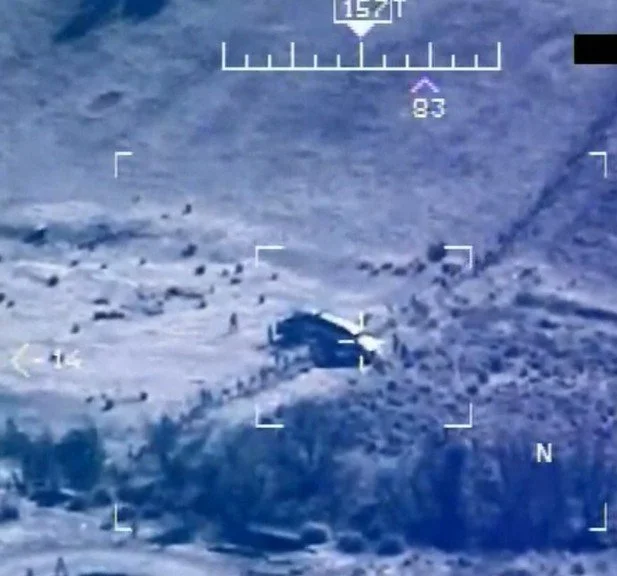
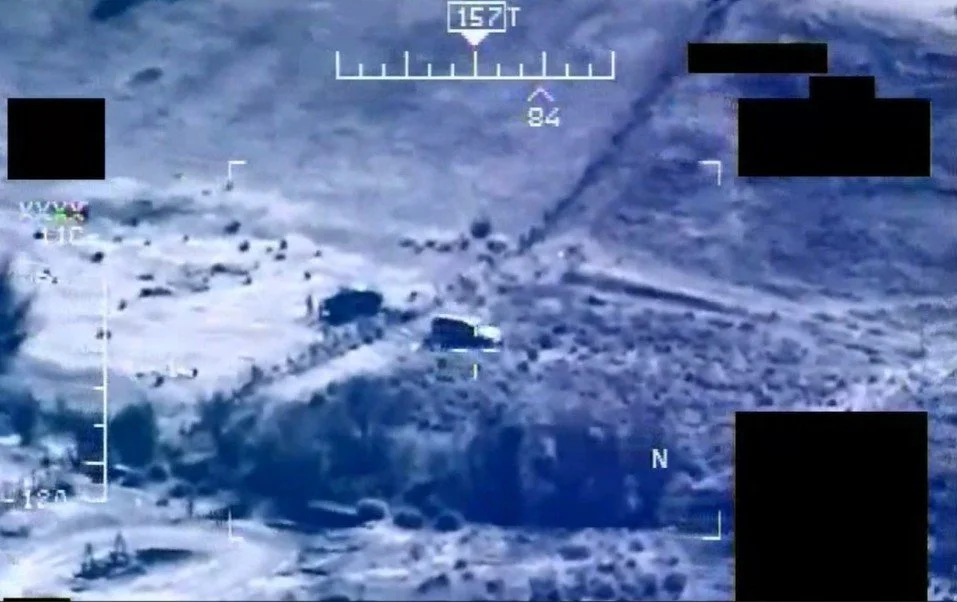
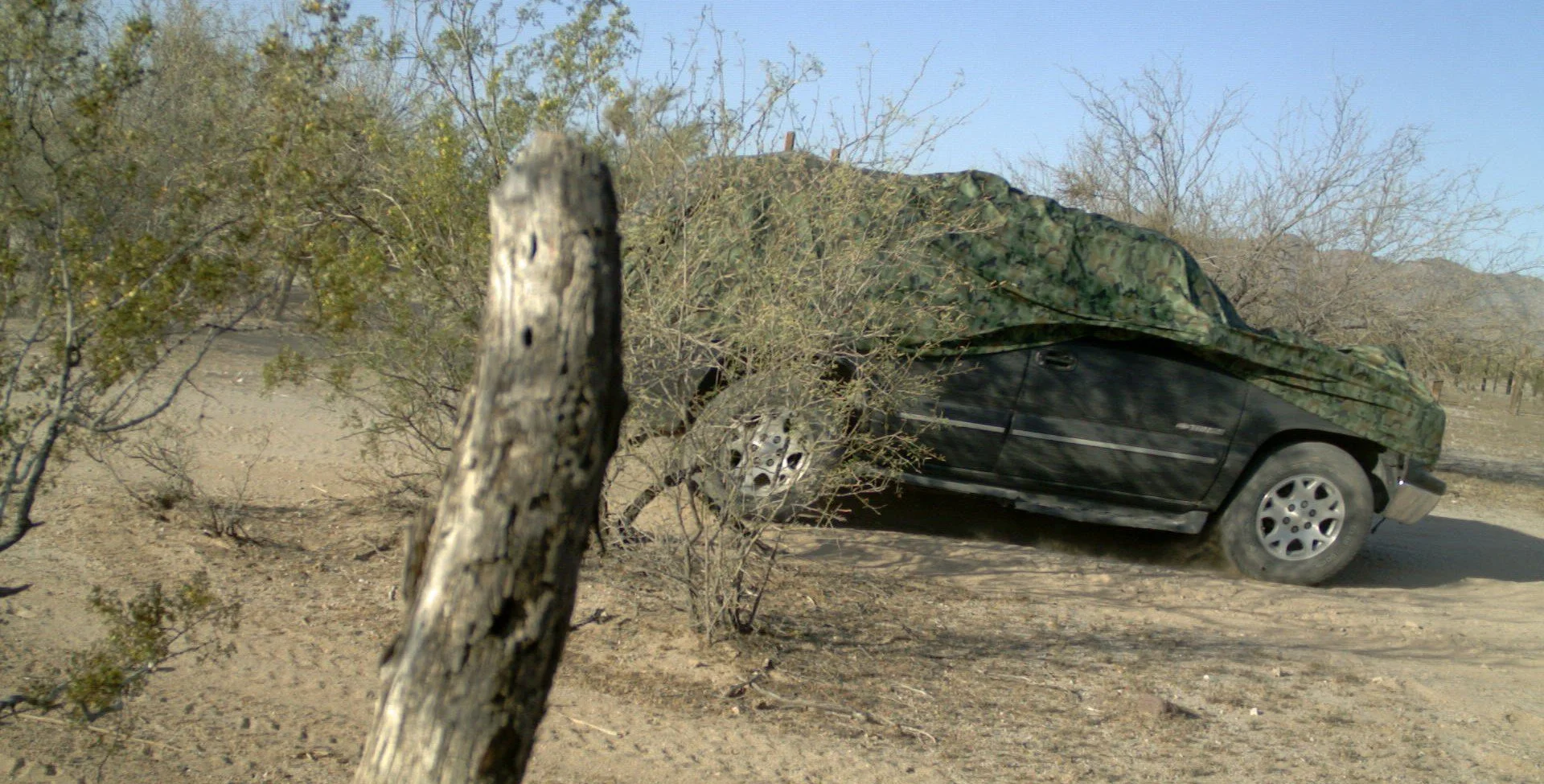
A drug-laden SUV moves through the Sonoran desert under a camouflage cover designed to defeat law enforcement aircraft. The network ran these loads in broad daylight. The cover wasn't improvised. It was standard equipment, deployed the same way on every run.
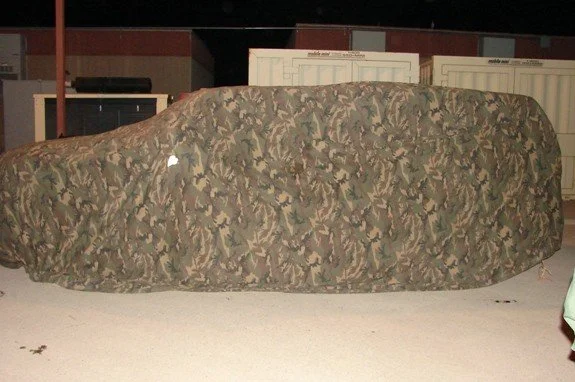
Full-size SUV's could disappear in the blink of an eye in the vastness of the Sonoran desert. From an approaching law enforcement aircraft, the vehicle simply wasn't there.
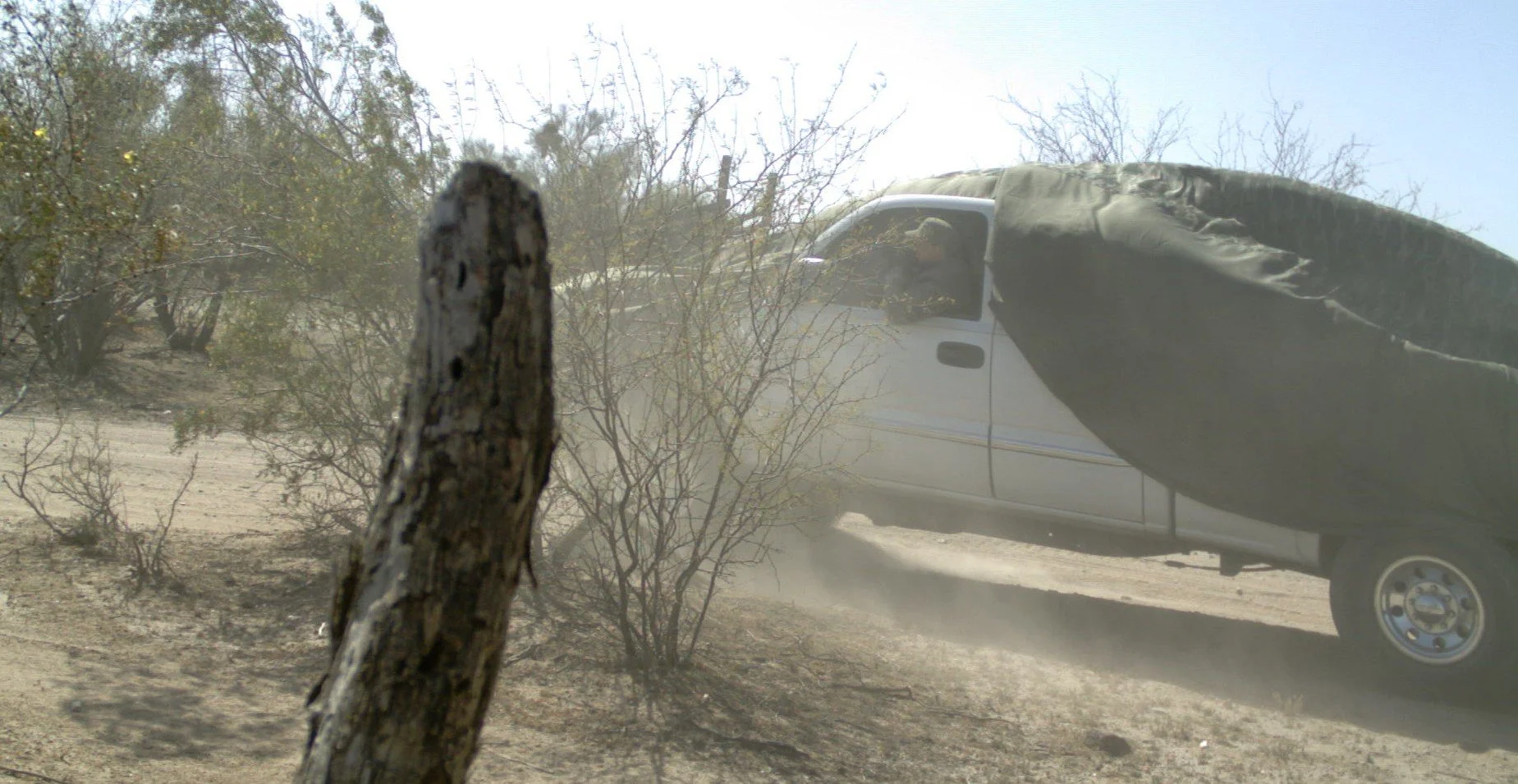
A load driver hangs out the window as the camouflage cover blows in the desert wind with his radio chirping with real-time directions from scouts positioned on mountaintops miles away. Scouts are guiding a multi-million dollar drug shipment around law enforcement in the middle of the afternoon.
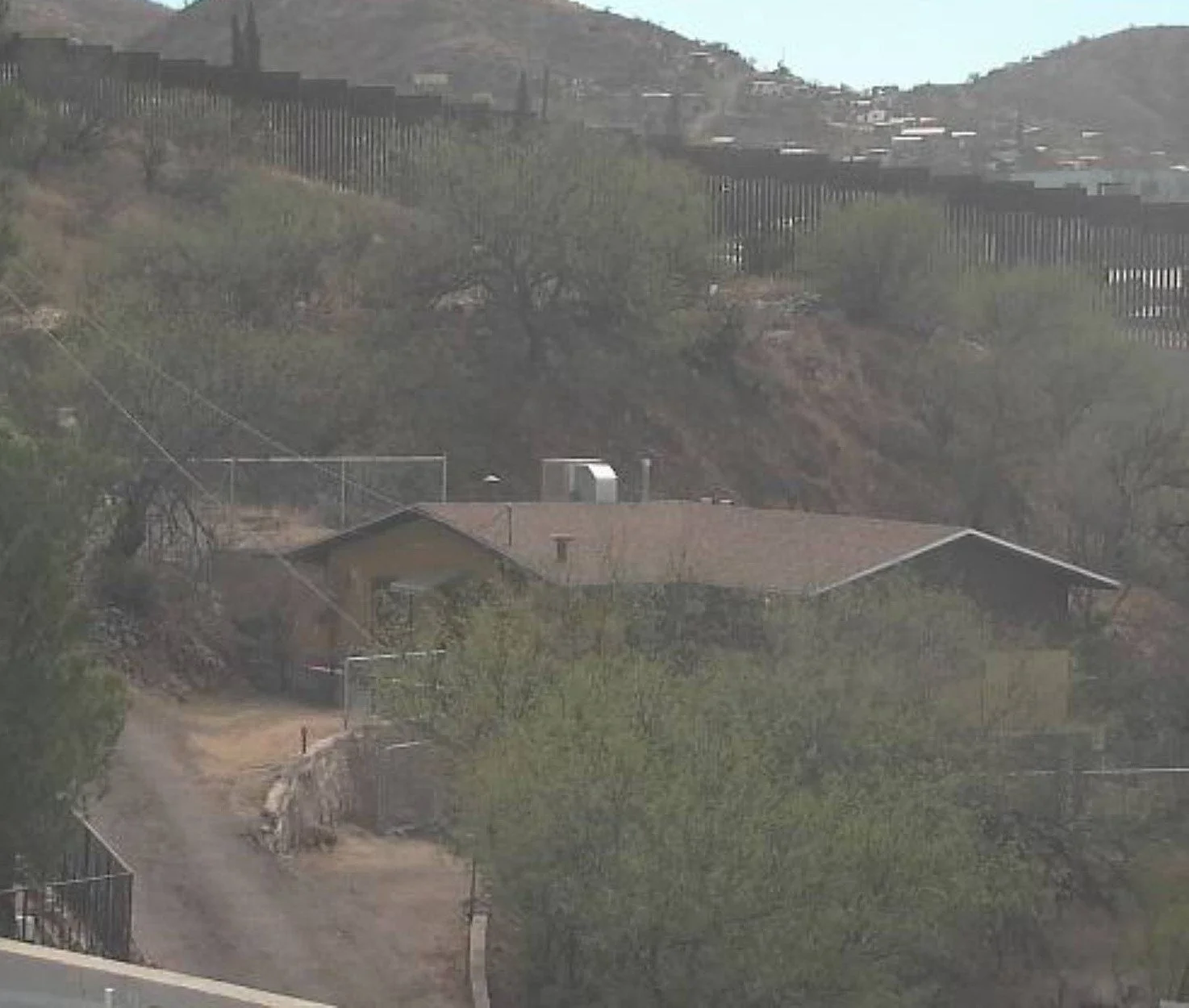
A house in Nogales, AZ, indistinguishable from every other home on the street. That's the point. Beneath it, a tunnel connected the US side to Mexico. The border fence visible in the background was irrelevant since the network was already underneath it.
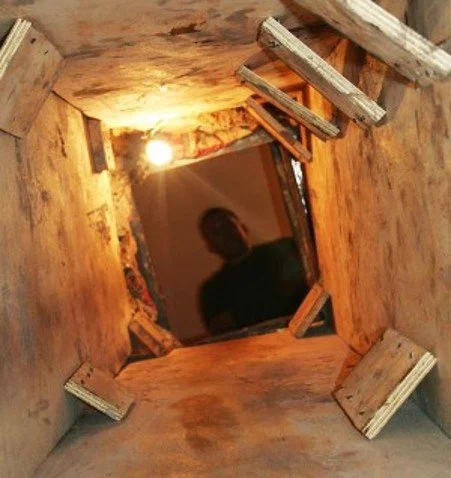
The inside of a subterranean tunnel beneath the US/Mexico border which are engineered for speed, not comfort. The figure at the end gives you the scale. People and drugs moved through passages like this one around the clock, unseen, beneath neighborhoods on both sides of the fence
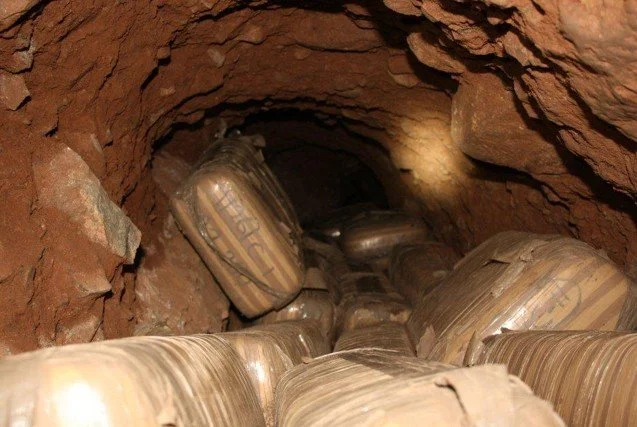
Smugglers abandoned this drug cargo mid-tunnel rather than risk capture. The load was disrupted. The organization was not. Within days, another load was moving through the same corridor.
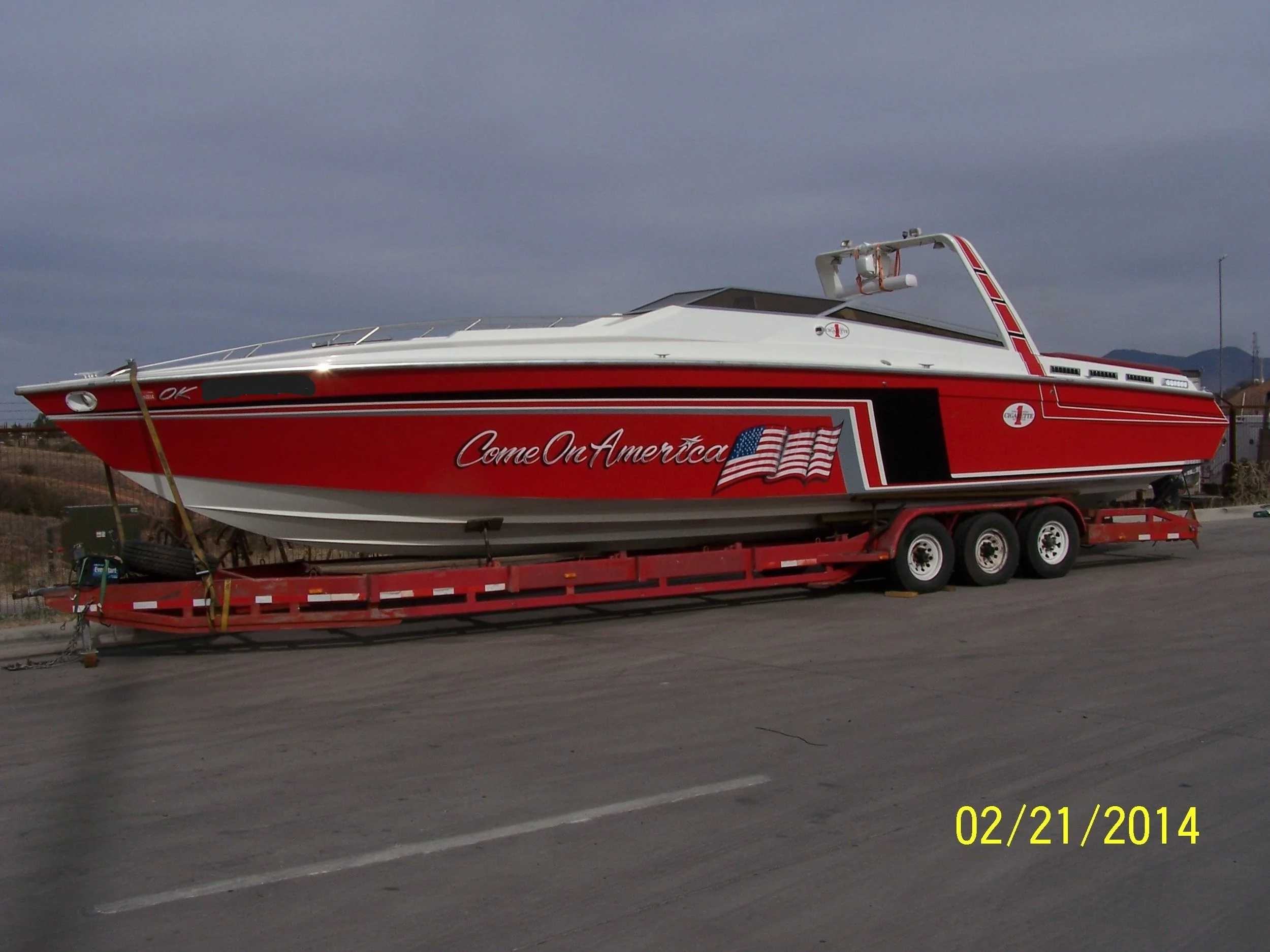
The network moved drugs and people by sea, air, and land. This go-fast boat, purchased by El Chapo, was seized as it was being exported through Nogales. This photo was taken the day before El Chapo was captured in 2014.
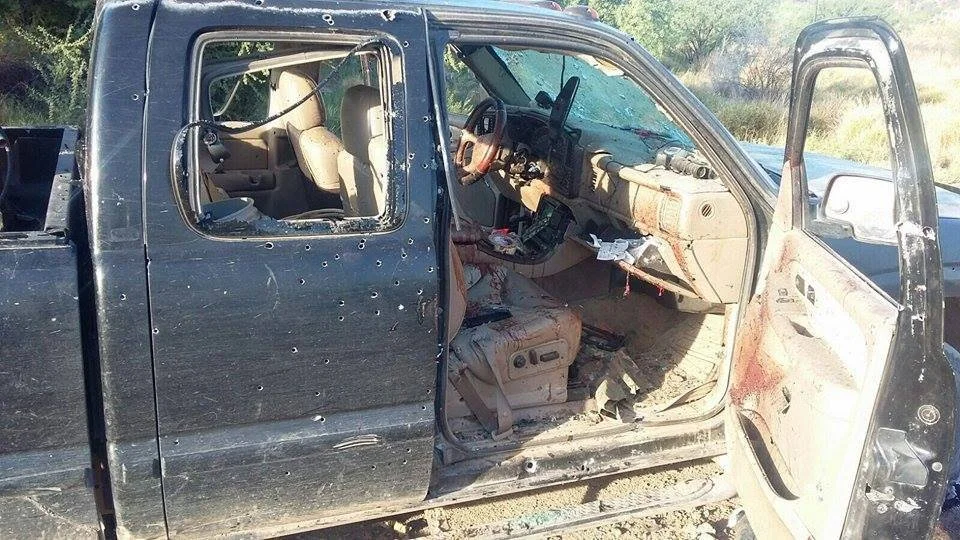
This is how the network enforced discipline. The vehicle Adrian de Cid-Bulena was in after he and an associate were gunned down in Saric, Sonora. Violence wasn’t random. It was a tool used to settle disputes and maintain control across the organization. Photo courtesy of Ariete Noticias Caborca.
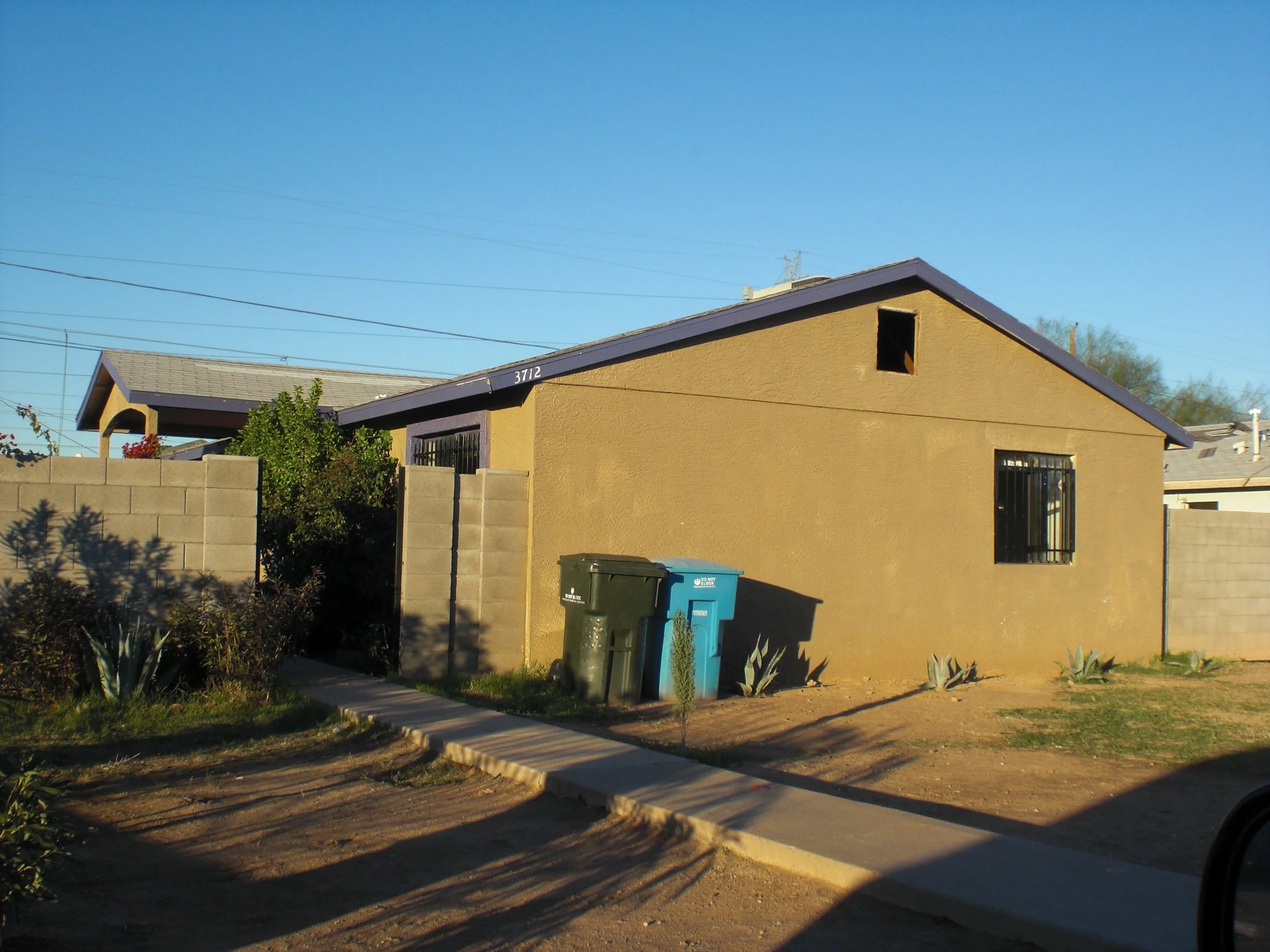
A suburban house in the Phoenix area. The brown stucco matches the desert landscape and the hundreds of other homes identical to it in the neighborhood. Inside was much more sinister than its innocent outward appearance.
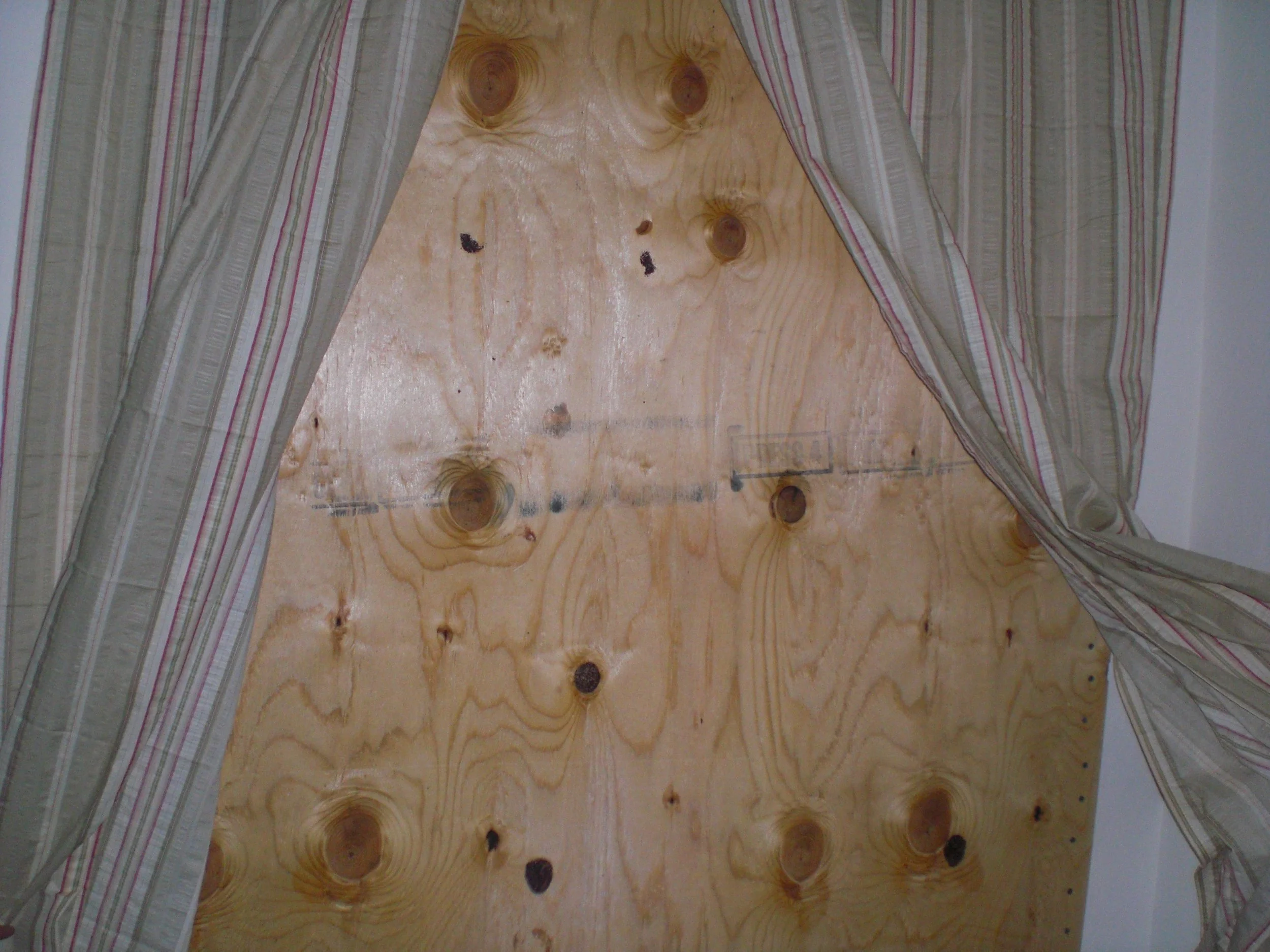
The network’s human warehouse. Drop houses like this held dozens of people captive until payment was made. Windows were sealed from the inside with plywood and screws, ensuring no one got out.
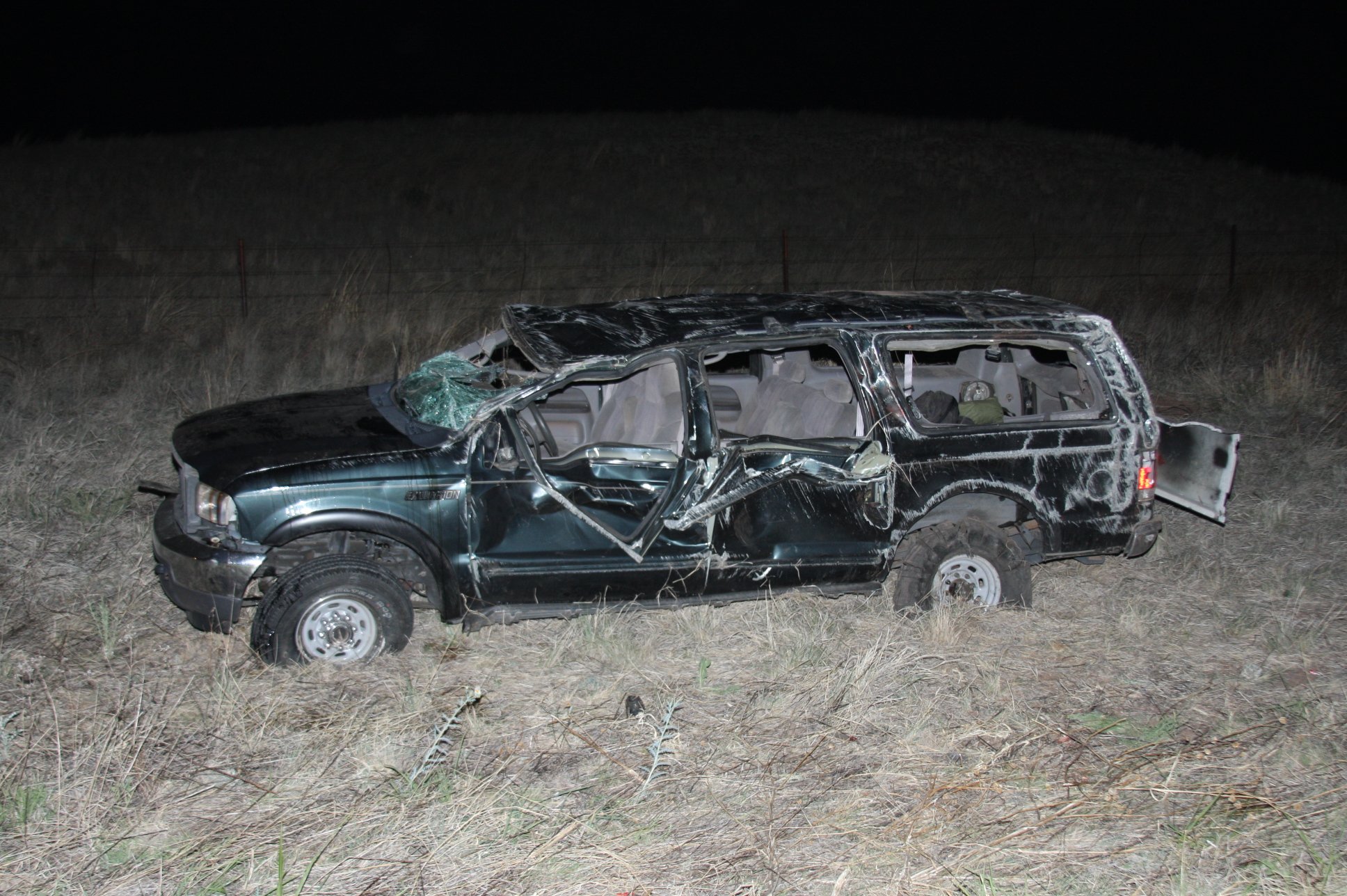
Many migrants never made it to the drop houses. The journey from the border was met with danger and exploitation at every turn. Rollovers like this one often ended with multiple fatalities which was an acceptable loss to a network that treated human beings as cargo.
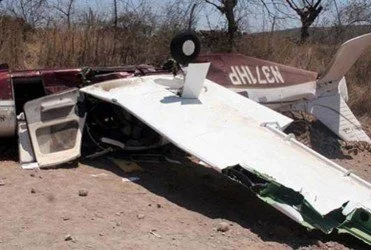
The network maintained dozens of aircraft ready to make the perilous run from South American jungles to clandestine landing strips throughout Mexico. This plane didn't make it. The pilots who survived simply walked away and got back in line for the next flight.
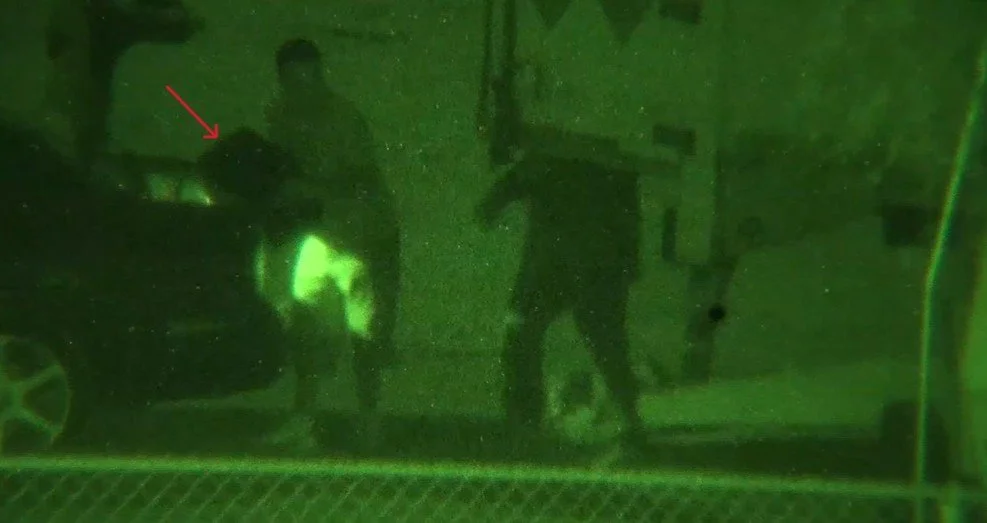
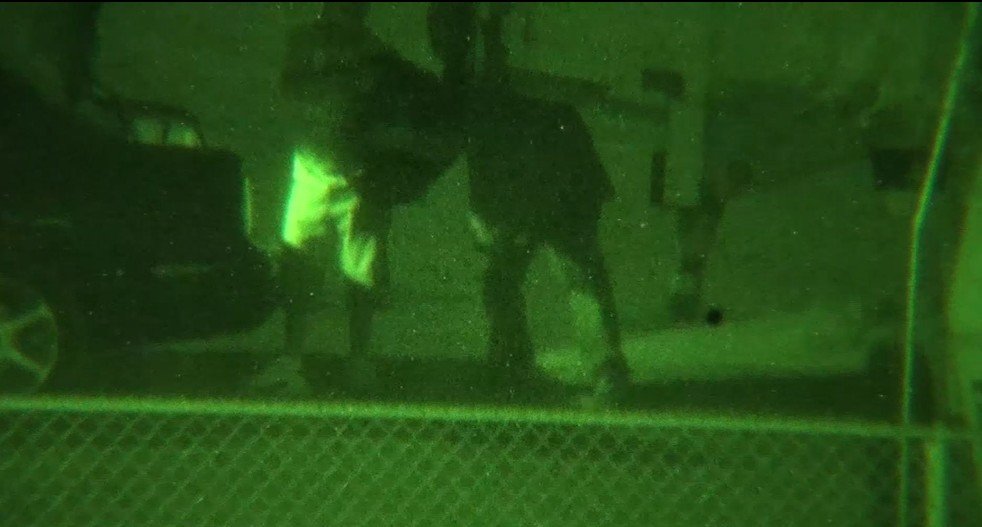
Members of El Memo's organization transfer narcotics under the cover of darkness but were caught on camera by agents using high-end optics. Agents logged hundreds of hours of surveillance to document moments like this one. The drugs in this frame were bound for distributors outside Los Angeles.
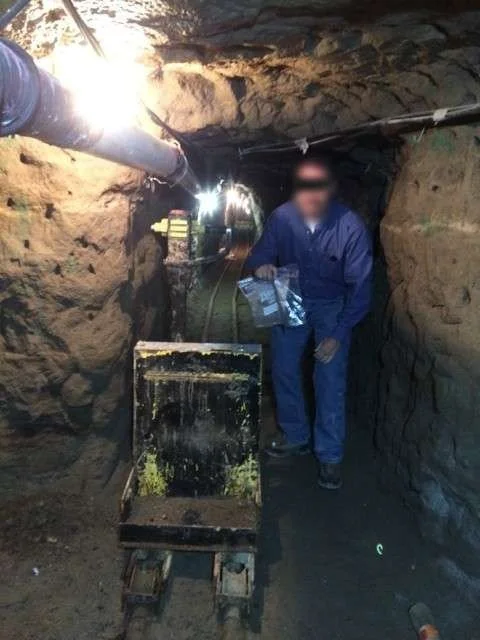
El Chapo's escape tunnel from Altiplano prison. Built to order, engineered for speed, and equipped with a rail system and ventilation. An HSI supervisor examined it firsthand for comparison to tunnels discovered in Nogales. The Sinaloa Cartel didn't improvise their infrastructure. They contracted it.
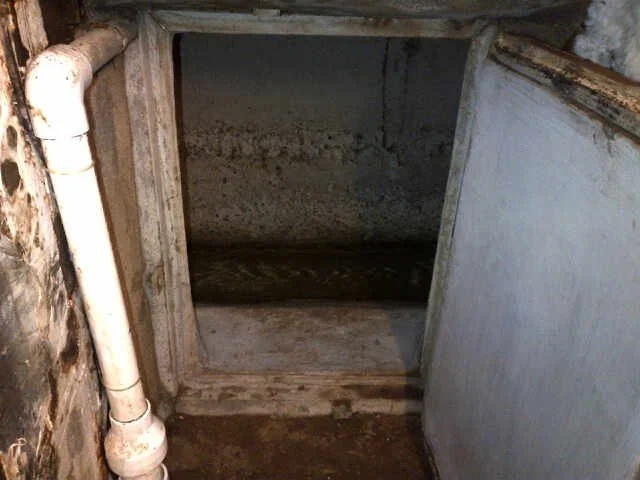
The exit El Chapo used after fleeing Mexican Marines in Culiacán in 2014. This door led into the city’s sewer system, allowing him to disappear beneath it.
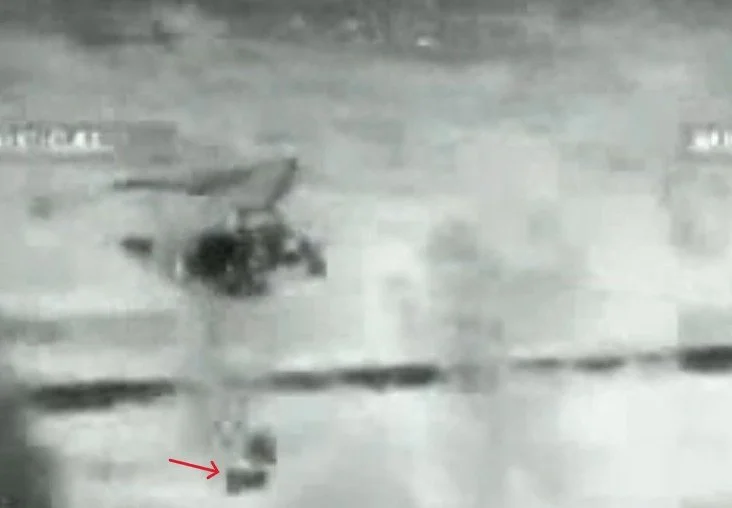
The network didn't always use million dollar airplanes to smuggle their narcotics. This nighttime surveillance photo shows an ultralight aircraft fly into the US and drop its drug cargo, marked by the red arrow to a waiting ground team to transport it to a stash house. The border fence is visible in the backdrop showing the proximity.