Inside the Network
Click each photo to enlarge.
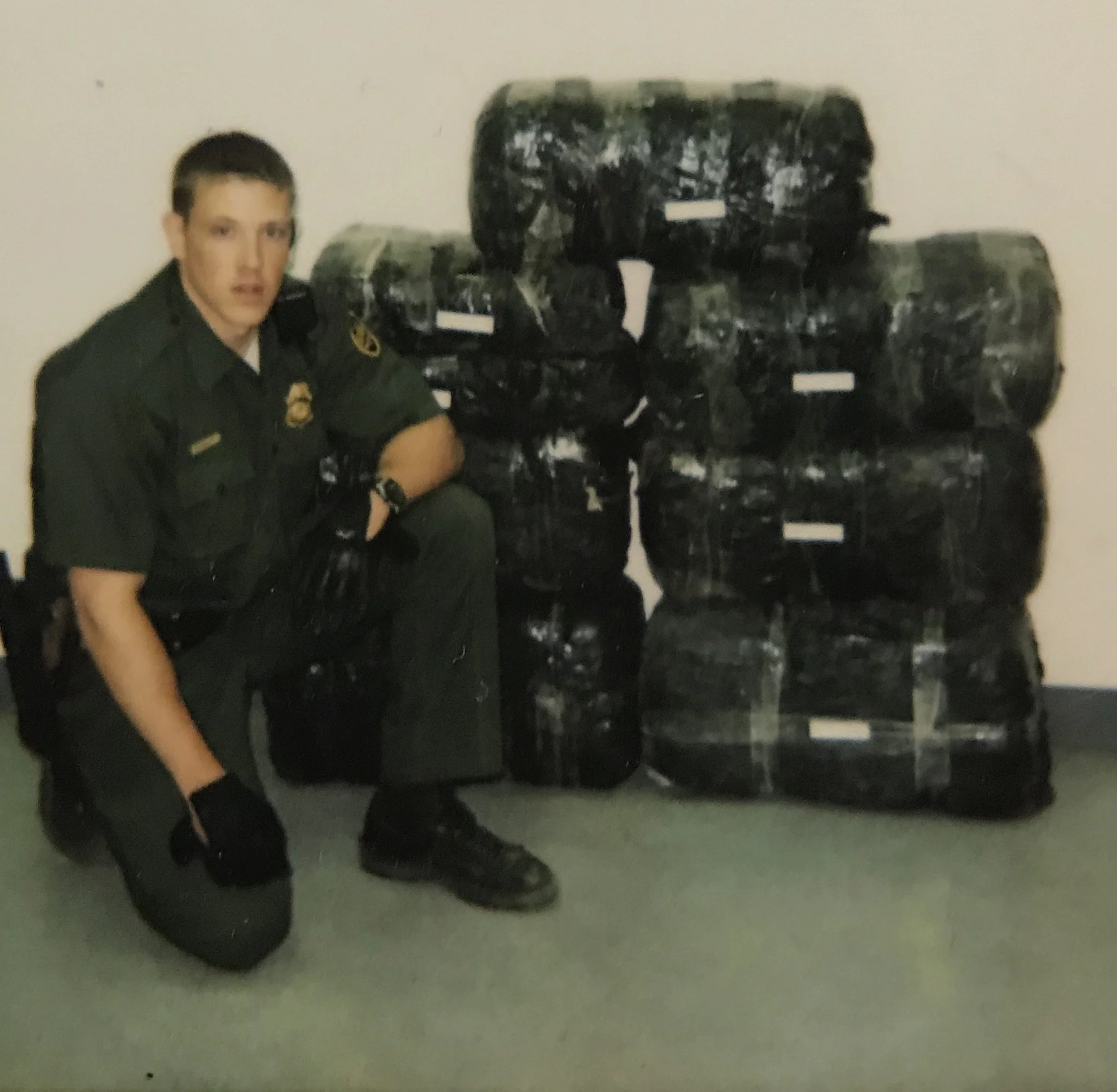
My first marijuana seizure in Arivaca, Arizona, May 6, 2001. At the time, it felt significant. In reality, it was a fraction of what was moving through the network every day.
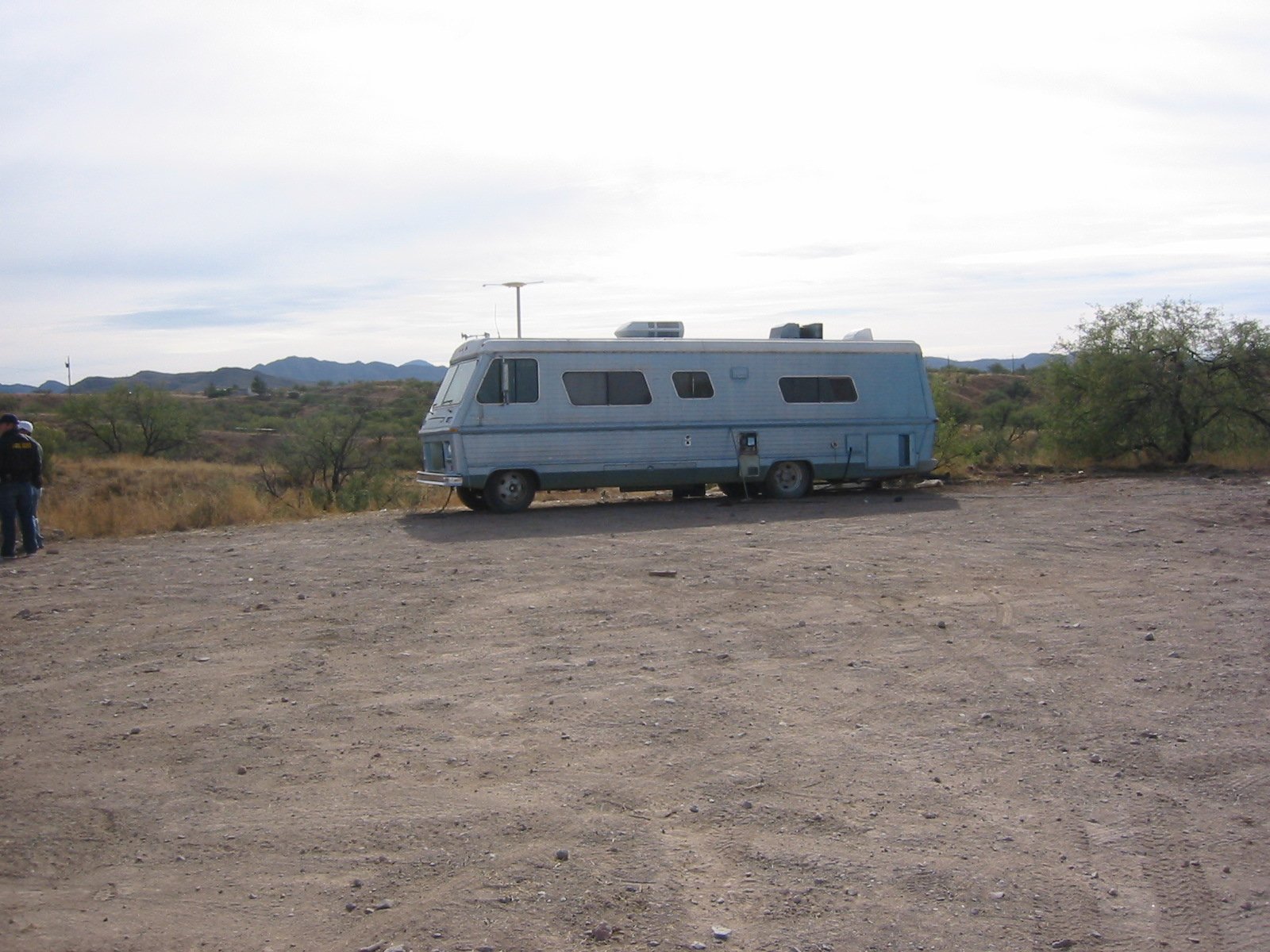
The camper as we saw it coming down a dirt road in Arivaca, Arizona. Inside was more than 2,500 pounds of marijuana yet it was one load among many moving through the corridor.
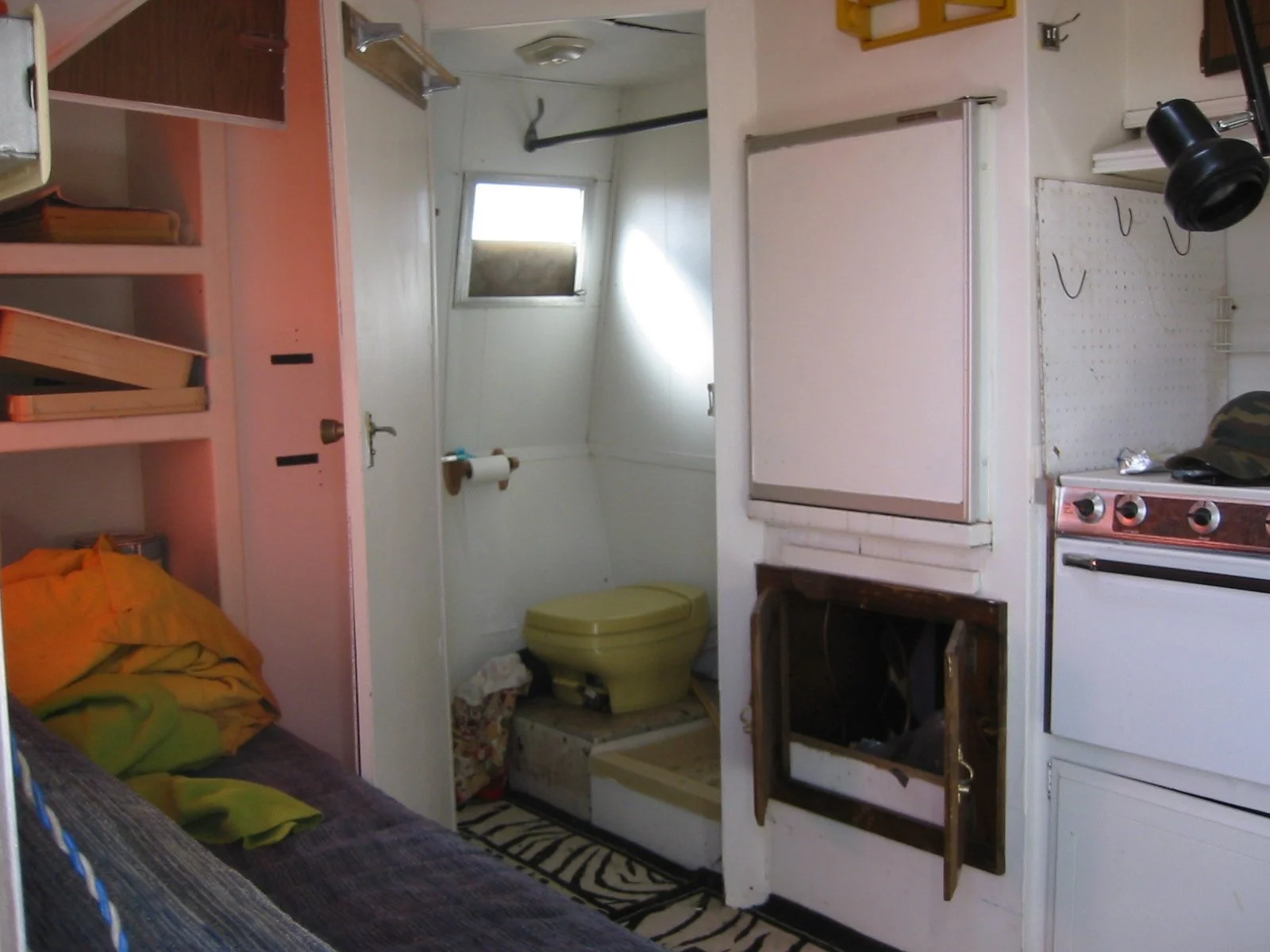
As the door opened, a lookout sat on the toilet holding a rosary and praying, not running. He was one small piece of a much larger operation, and in that moment, he knew exactly what was coming.
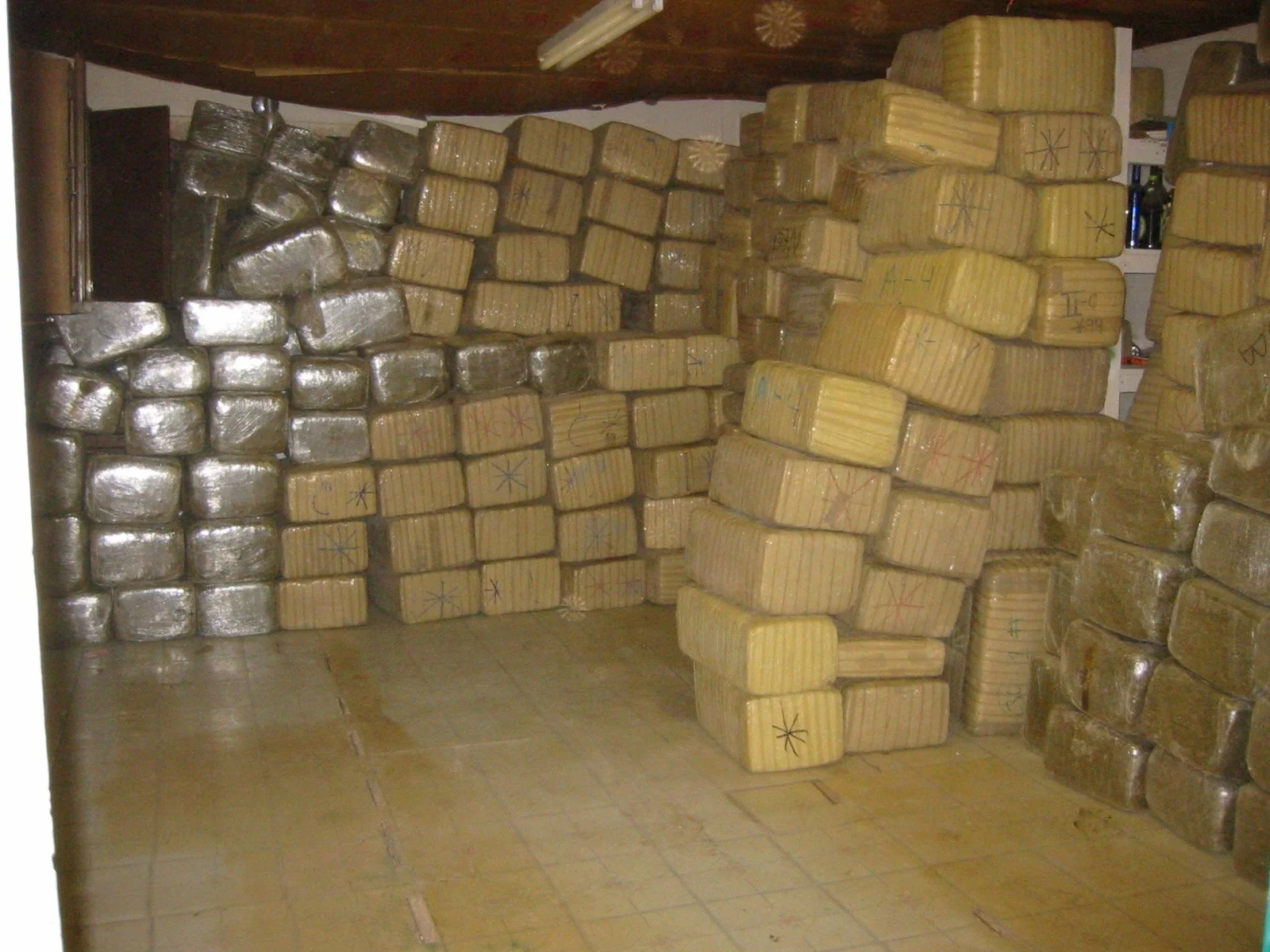
Nearly 10,000 pounds seized in a single location. And still, it barely dented the flow moving through the network.
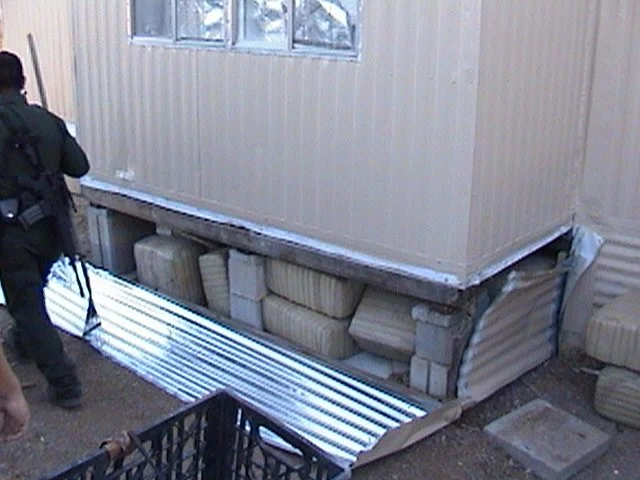
Marijuana bundles concealed beneath a trailer. Loads like this were built to move unnoticed—hidden in plain sight and designed to withstand scrutiny.
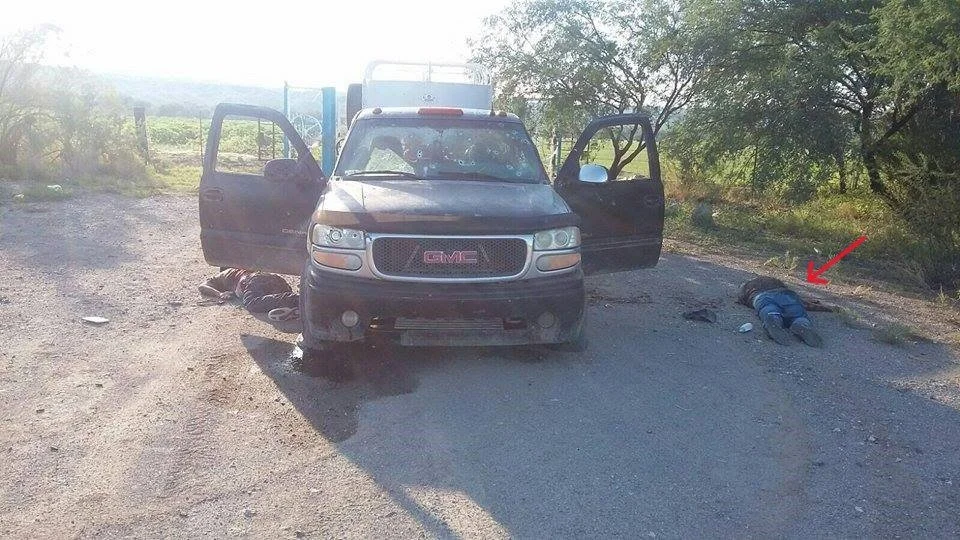
This is how the network enforces discipline. In August 2015, Adrian del Cid Buelna and an associate were gunned down on a dirt road in Saric, Sonora. Violence wasn’t random. It was a tool used to settle disputes and maintain control. Photo courtesy of Ariete Caborca Noticias
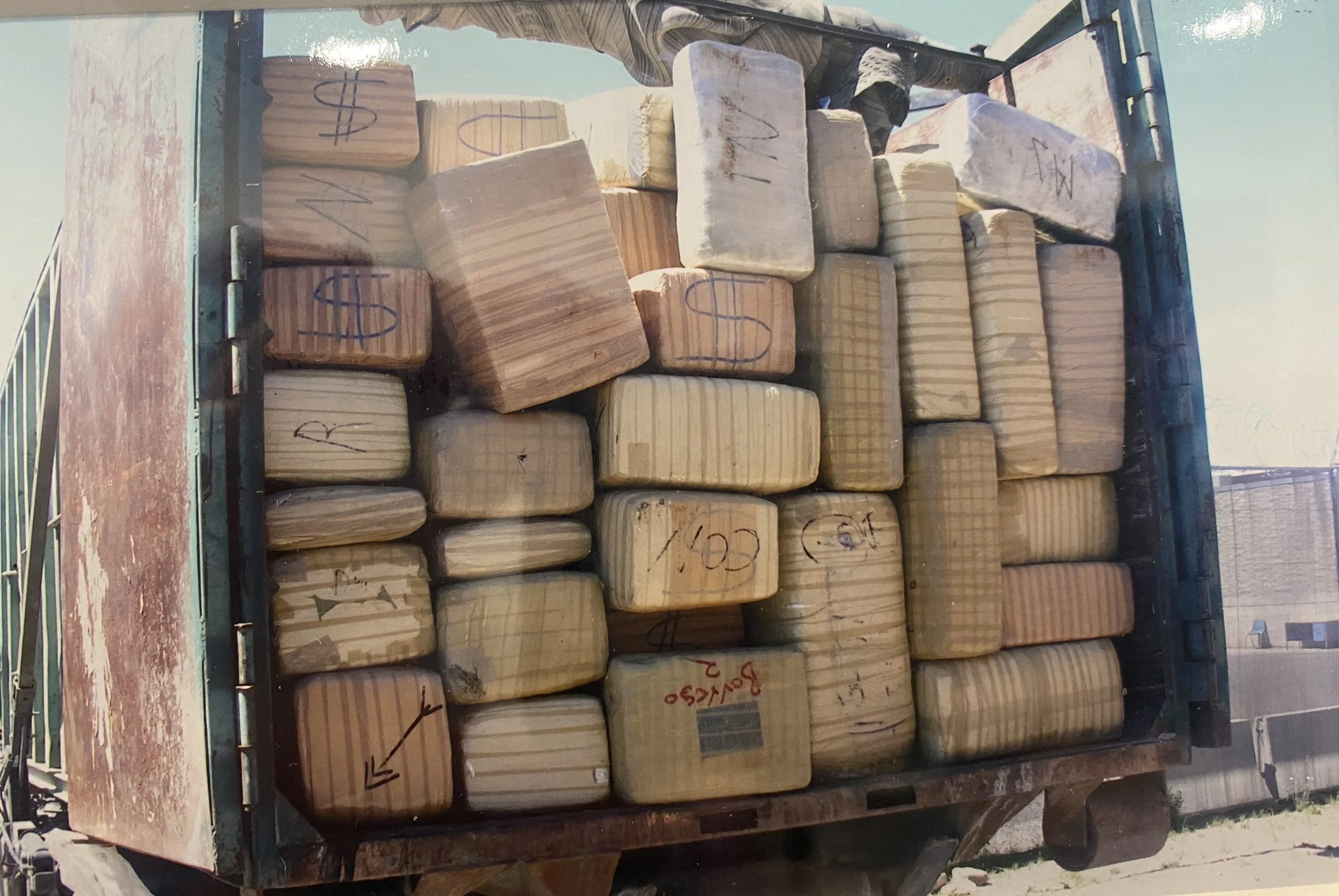
Bundles marked for distribution inside a load tied to Nacho Paez. The symbols weren’t random. They identified buyers and destinations, part of an illicit supply chain that moved drugs with precision.
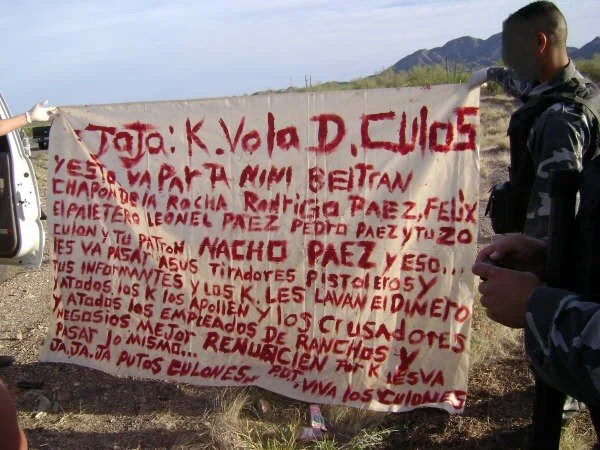
A narcomanta, or a cartel message left after a massacre in Caborca, Sonora. Messages like this were used to threaten rivals, assert control, and enforce territory across the network. Used with permission from Ariete Noticias Caborca.
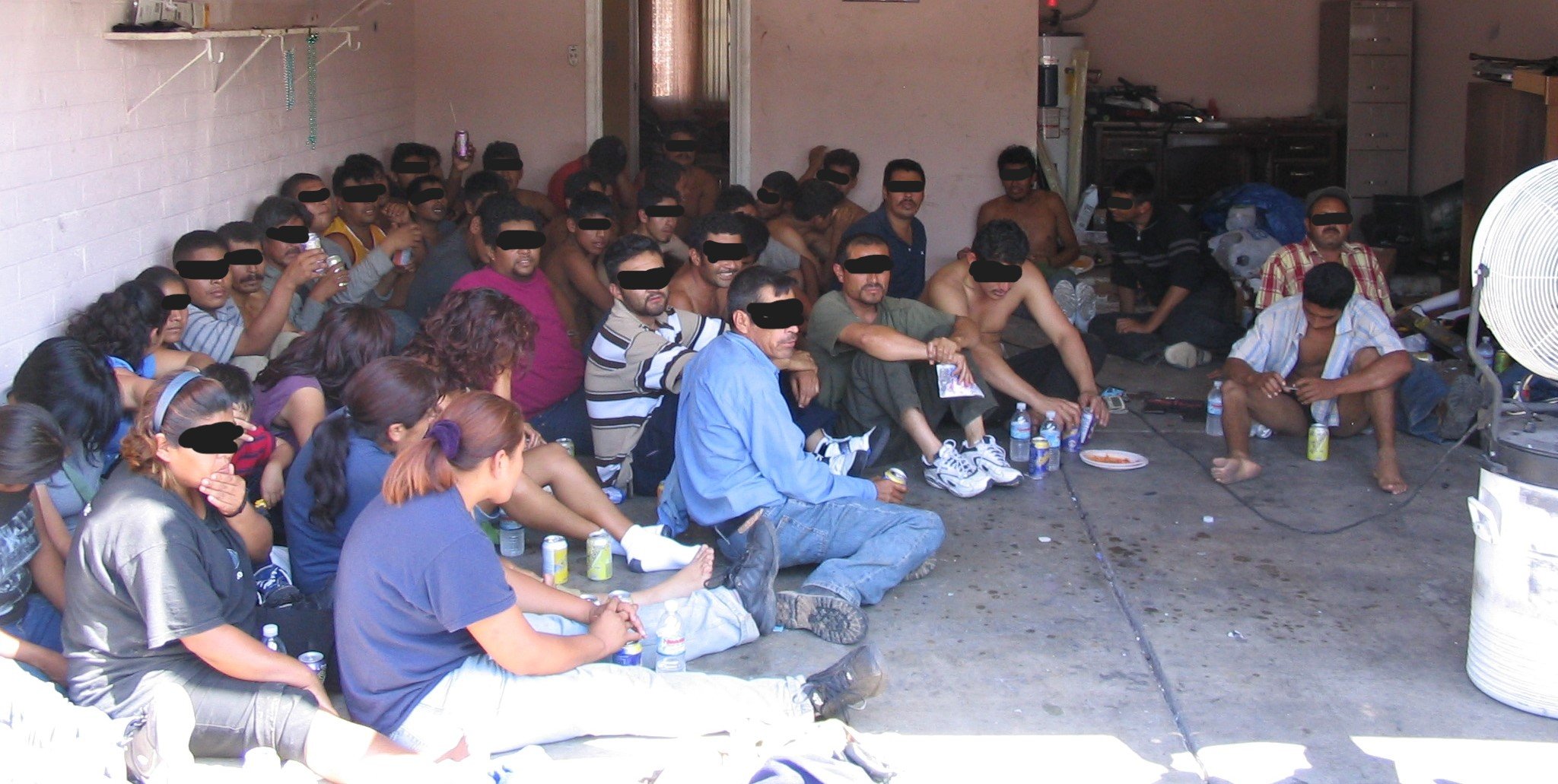
The human cost. Drop houses held large groups like this. They were staged, controlled, and moved through the network as cargo. Conditions were often degrading, while the system profited from every step.
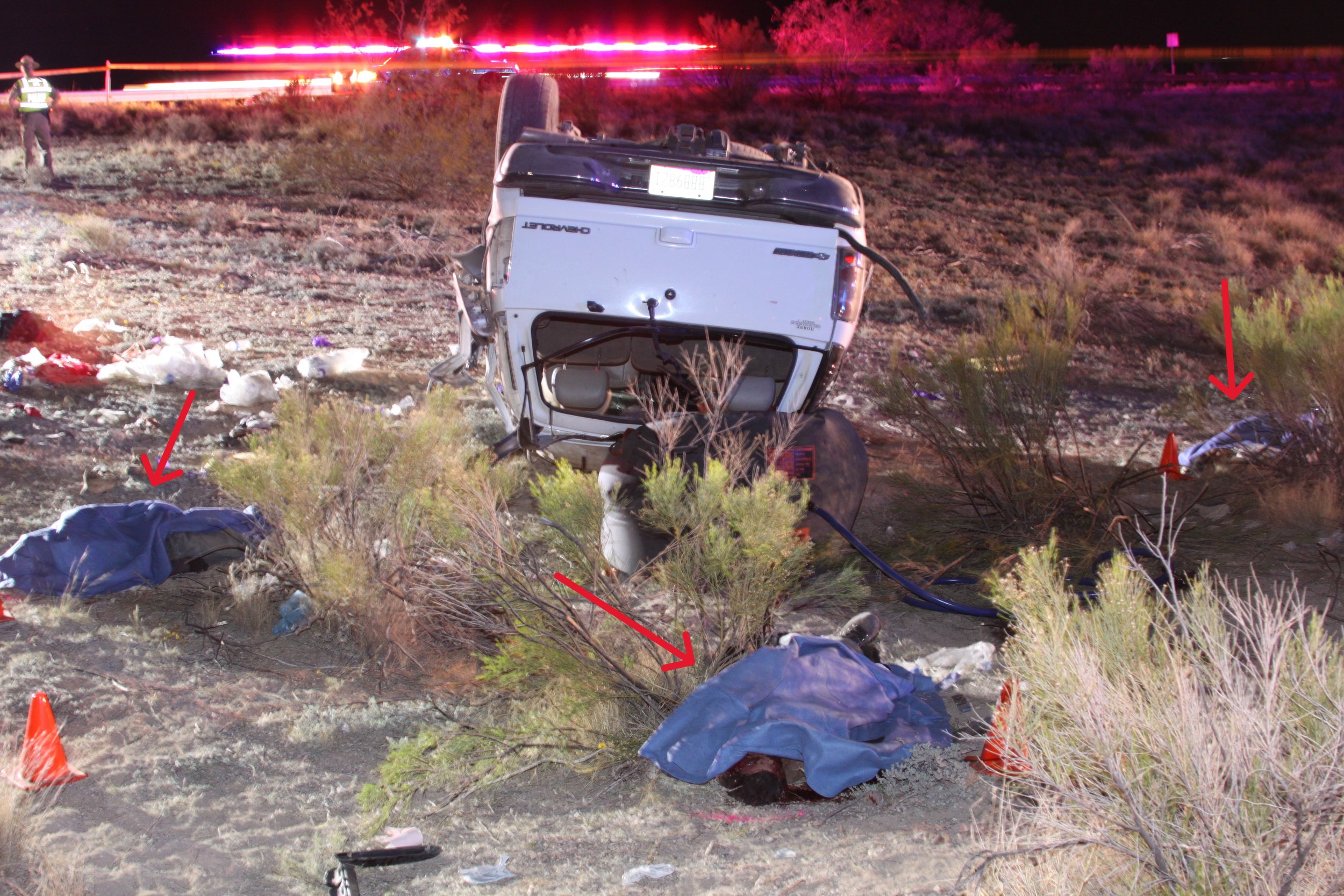
The system moved efficiently. The people inside it did not. A human smuggling attempt ends in multiple deaths which were considered losses the network absorbed as part of doing business.
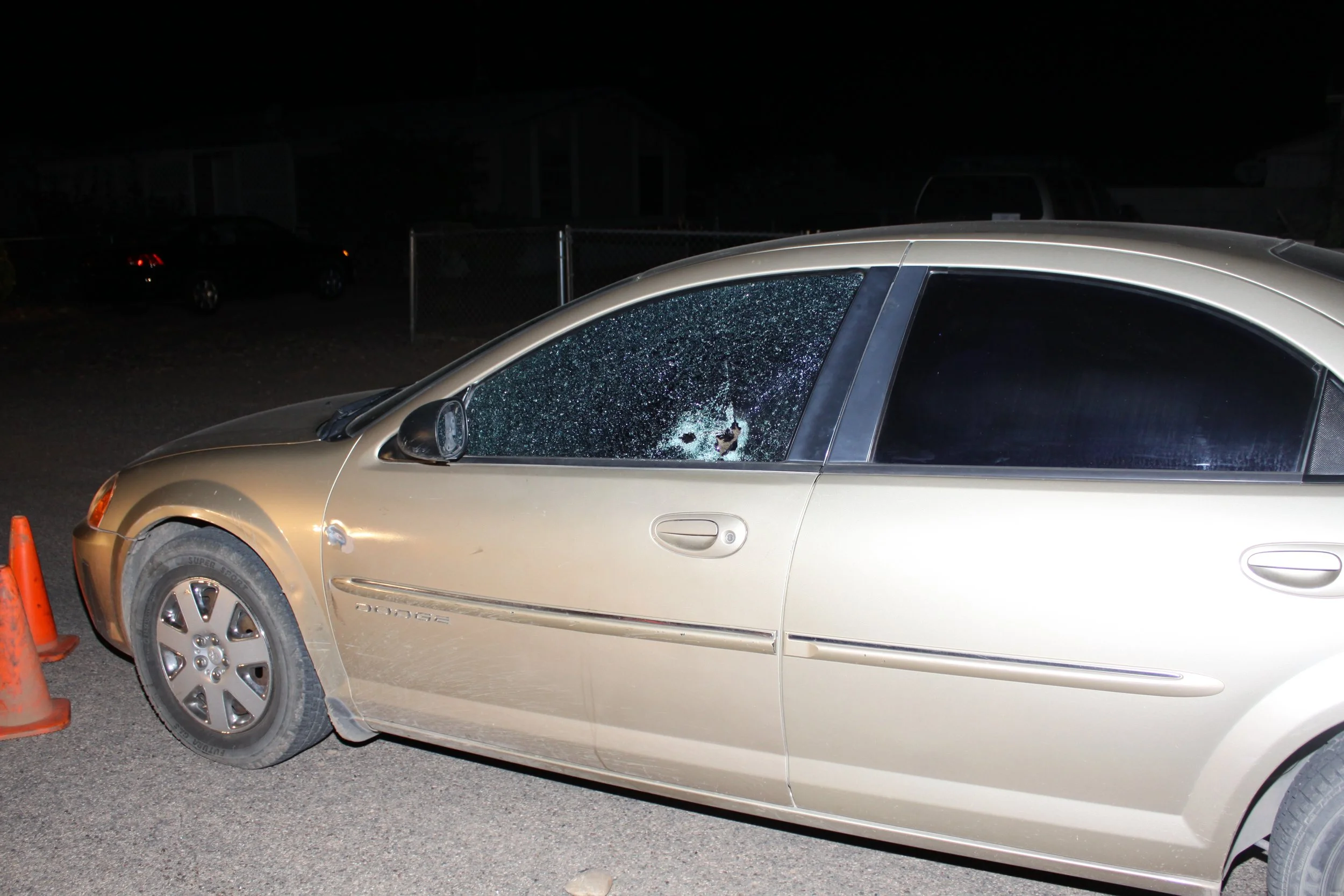
Roberto Ortiz was shot and killed as he pulled into his driveway in Casa Grande. The tight grouping of rounds through the driver’s window reflects the precision of the network’s enforcers. Violence was used deliberately to maintain control and to intimidate.
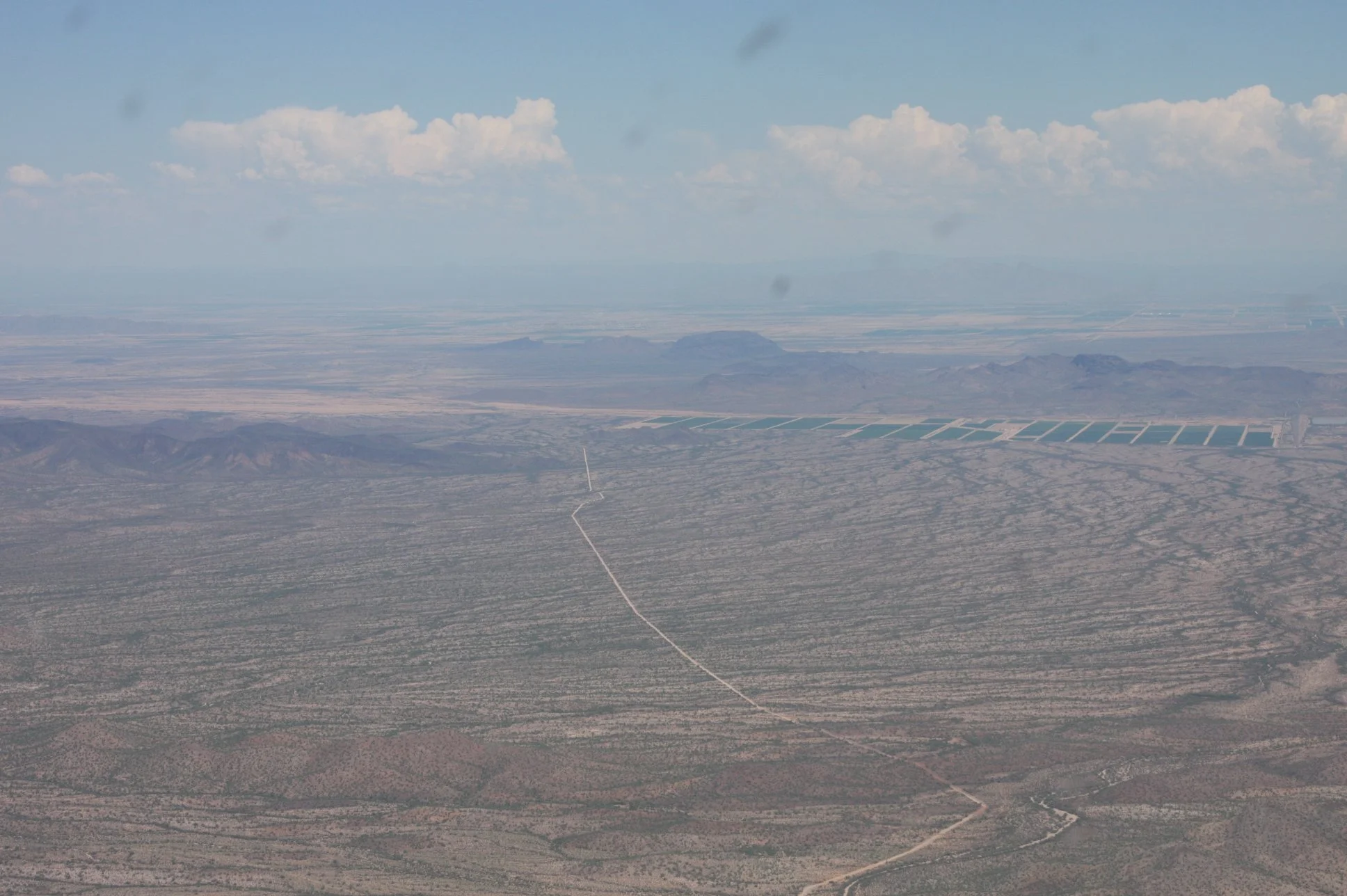
Aerial view of the pipeline corridor near Stanfield, Arizona. From the ground, movement looked random. From the air, the pattern was clear, it was a supply route moving drugs and people north, and guns and cash south.
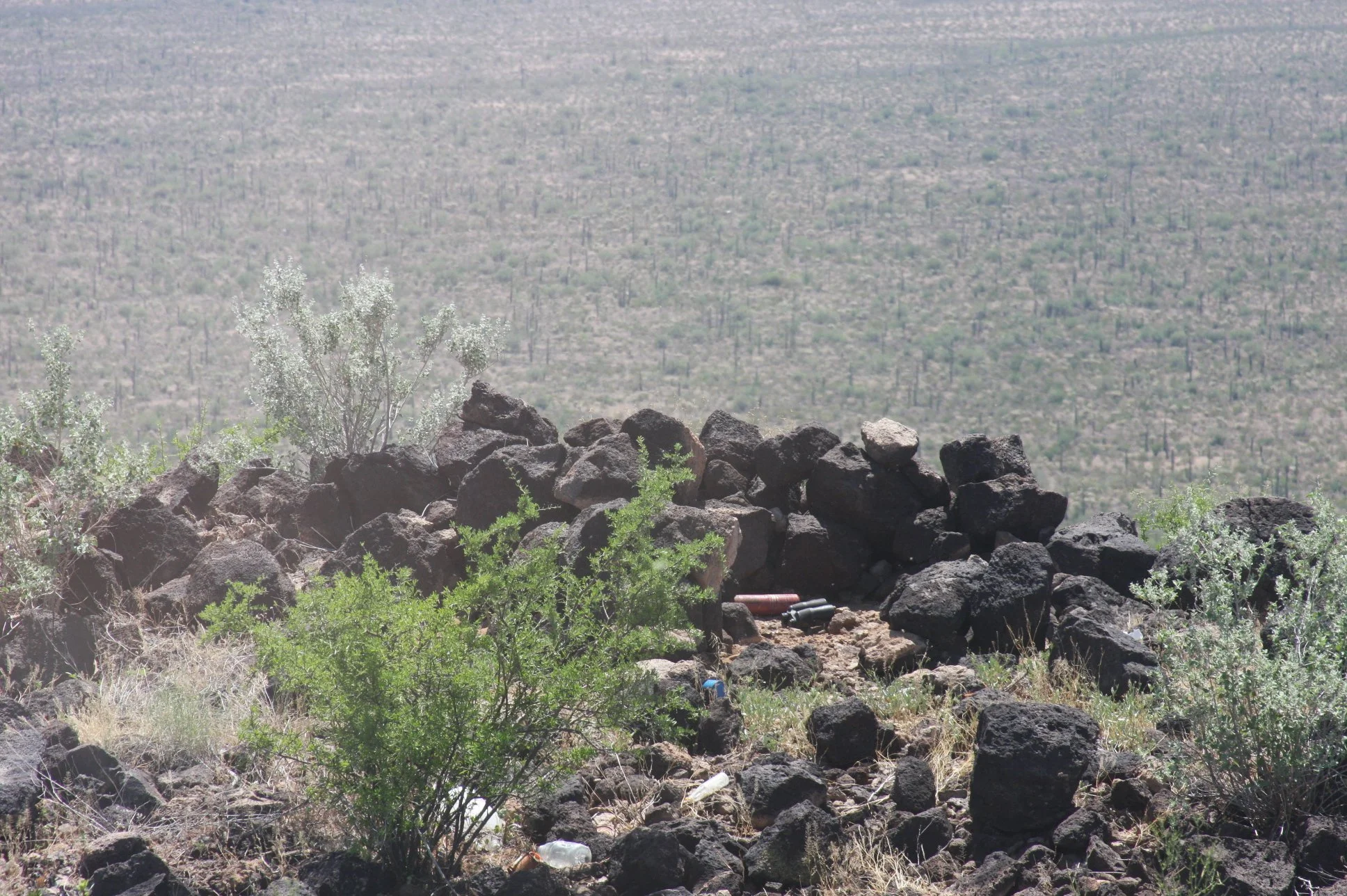
Elevated scout positions like this controlled the pipeline. From here, scouts monitored law enforcement and guided loads through the desert in real time.
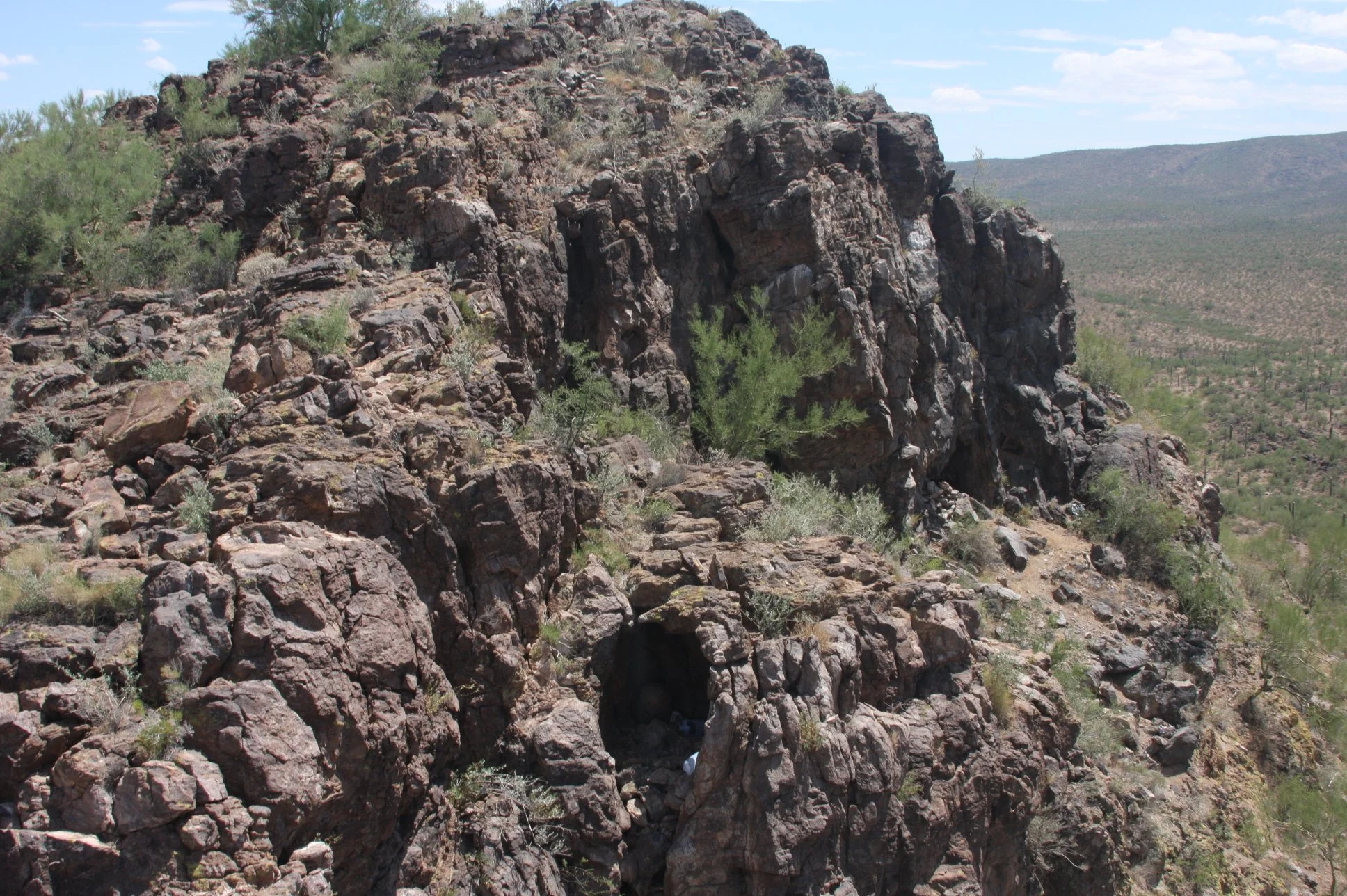
A cave overlooking the pipeline route where scouts lived in two-week rotations. Positions like this provided continuous surveillance across the corridor despite the harsh conditions.
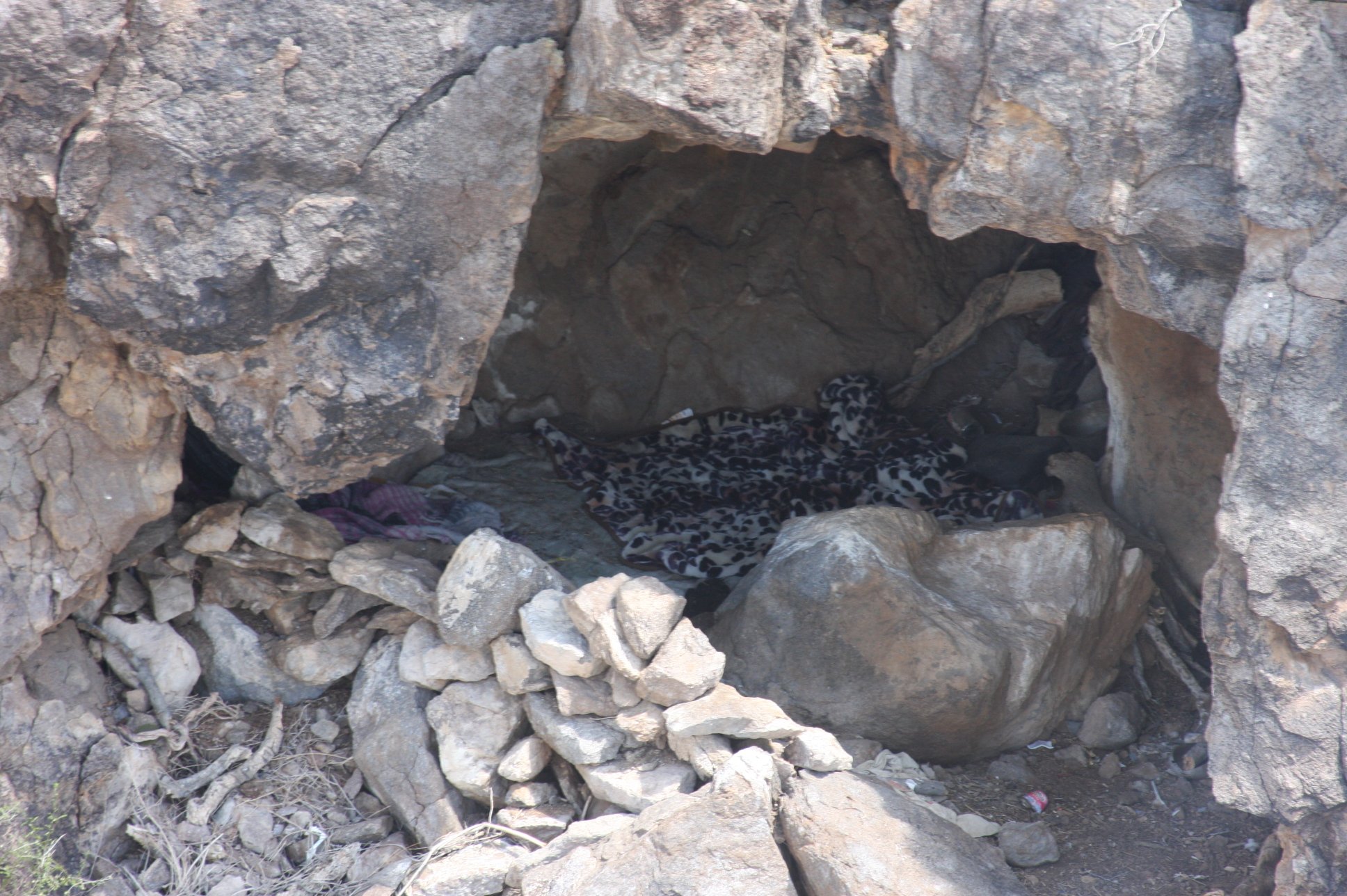
Inside a scout cave used during two-week rotations to monitor and report law enforcement movements. From the air, we mapped positions like this to understand how the network coordinated surveillance and pushed loads north.
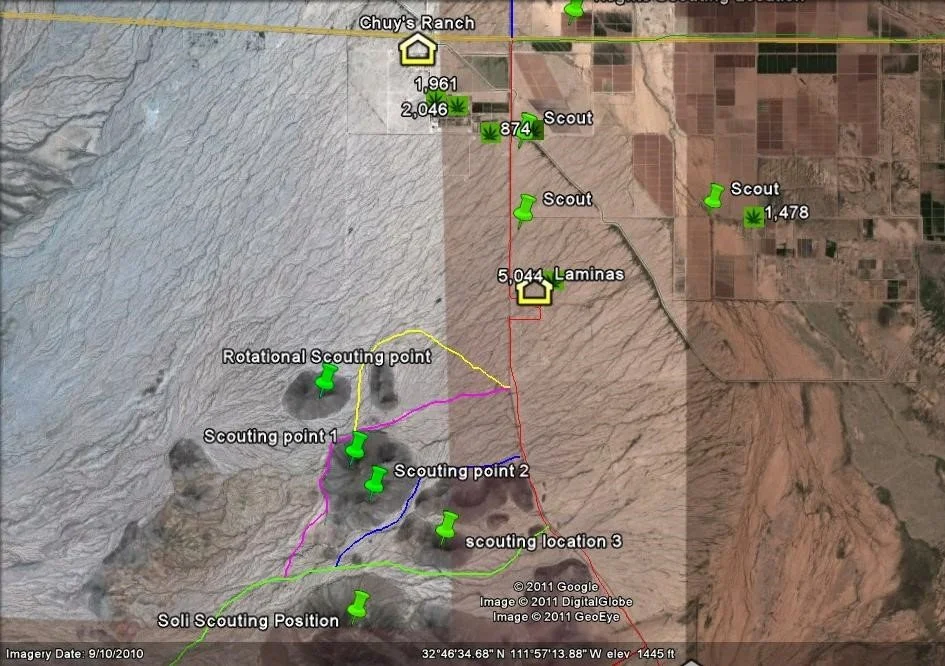
A map of the north end of the pipeline near Stanfield, Arizona, built from hours of aerial and electronic surveillance. Scout positions, stash houses, and movement routes revealed a coordinated system shaped by law enforcement pressure and opportunity.
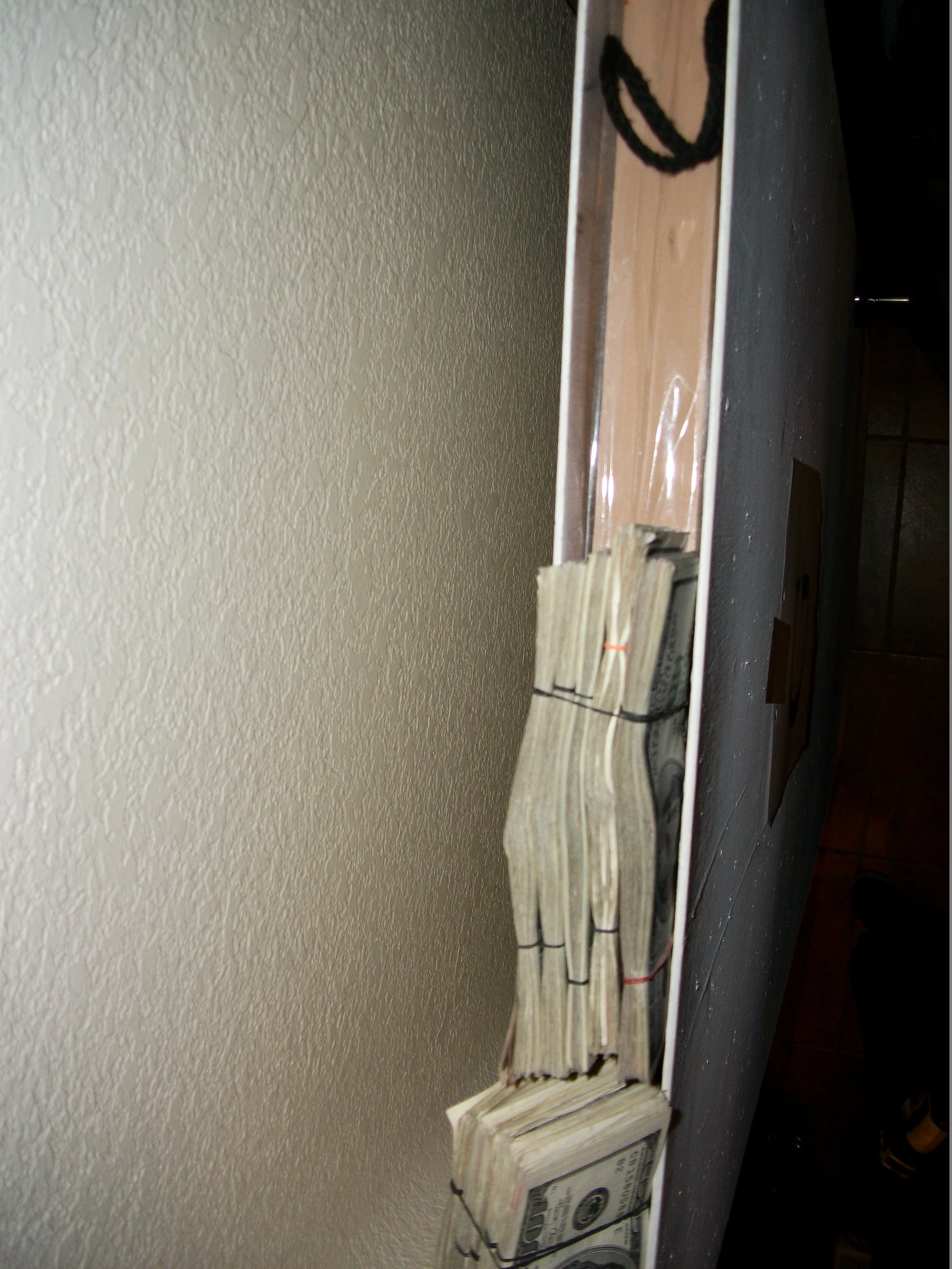
More than $250,000 concealed inside a hollow interior door at a Phoenix stash house. Cash like this moved as easily as the drugs which were hidden in plain sight.
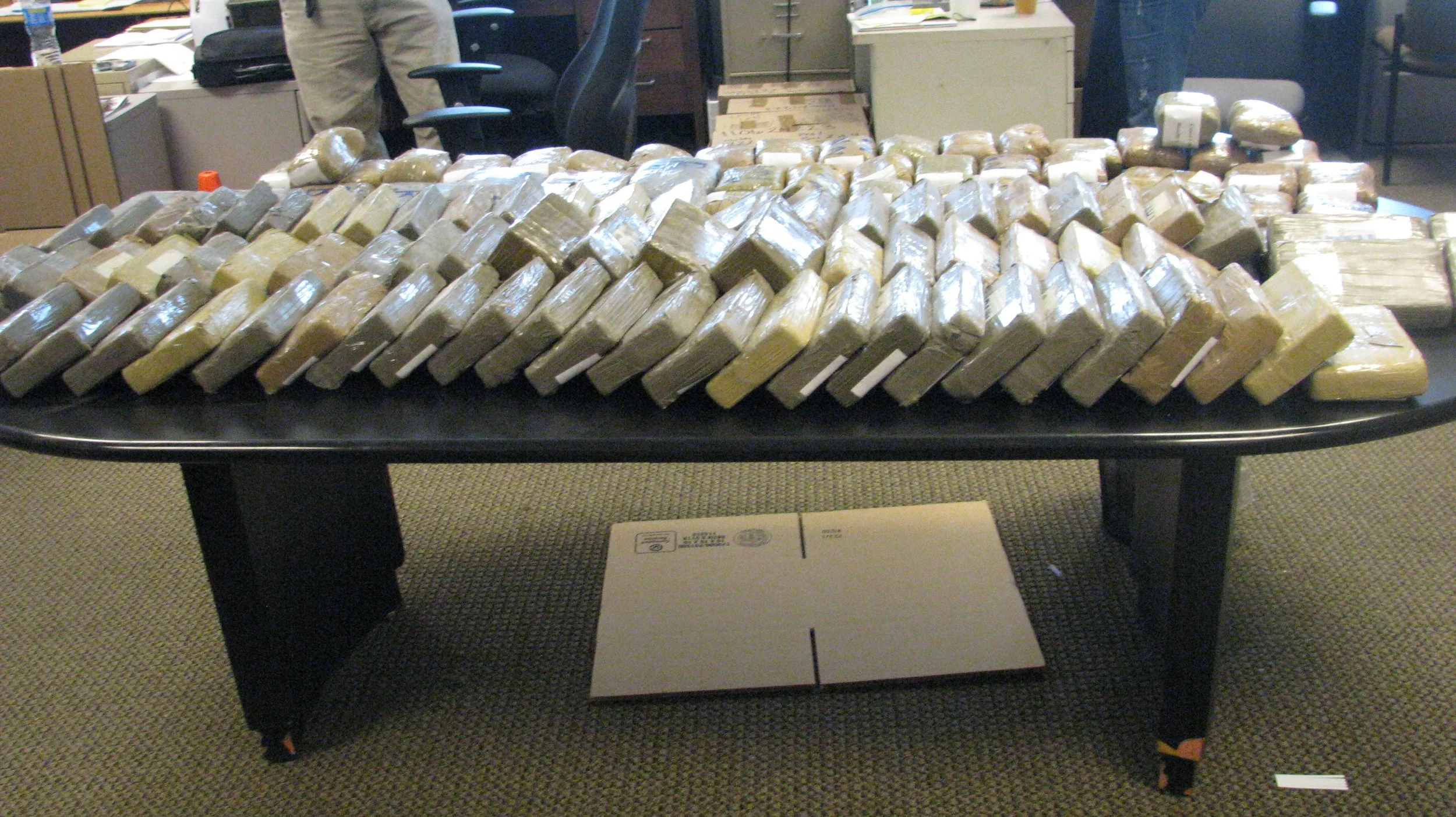
Different drugs, same pipeline. Cocaine and heroin moved through the same routes, feeding distribution networks across the U.S.
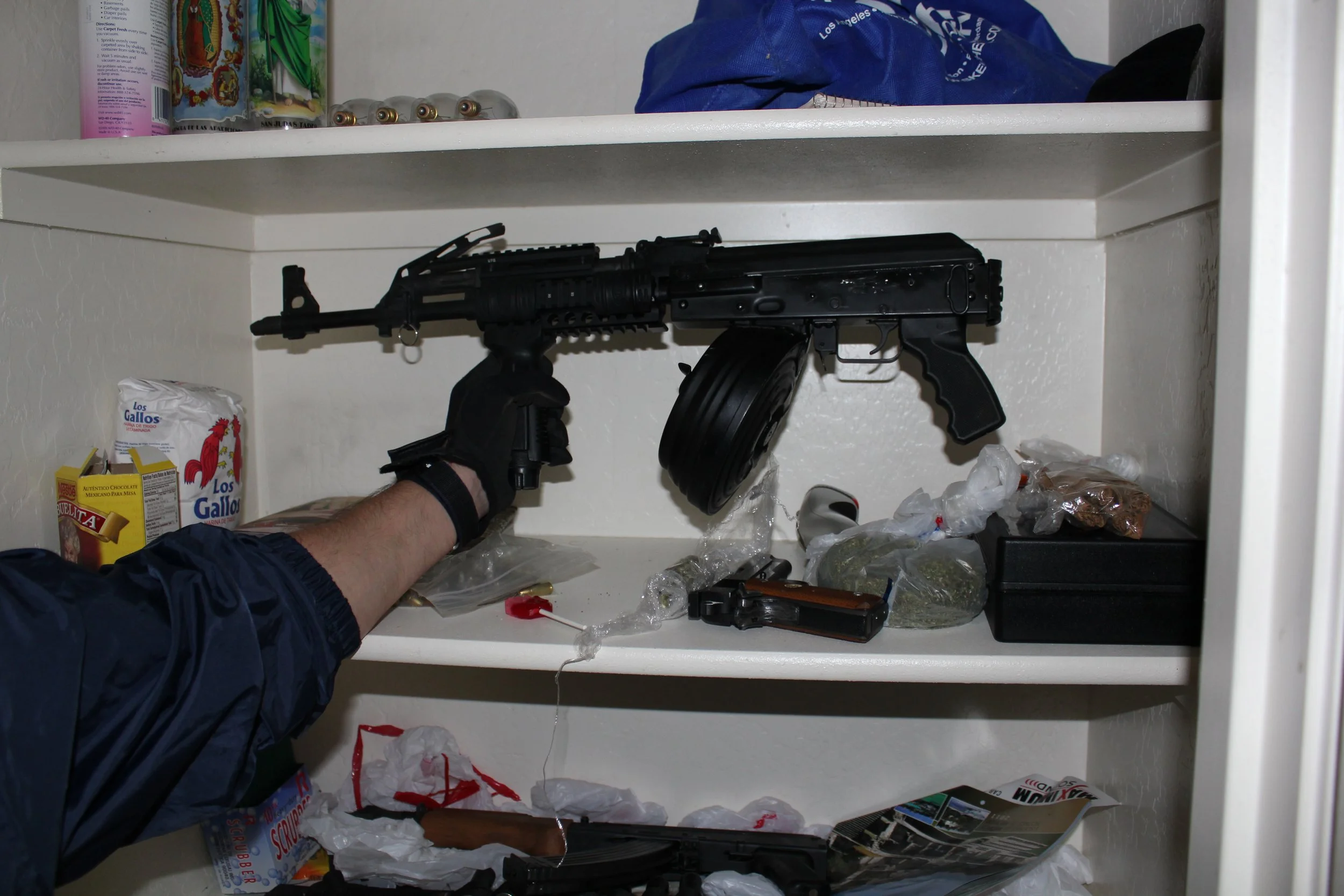
This is how the network protected itself. Weapons seized during Operation Pipeline Express, including AK variants and high-capacity magazines.
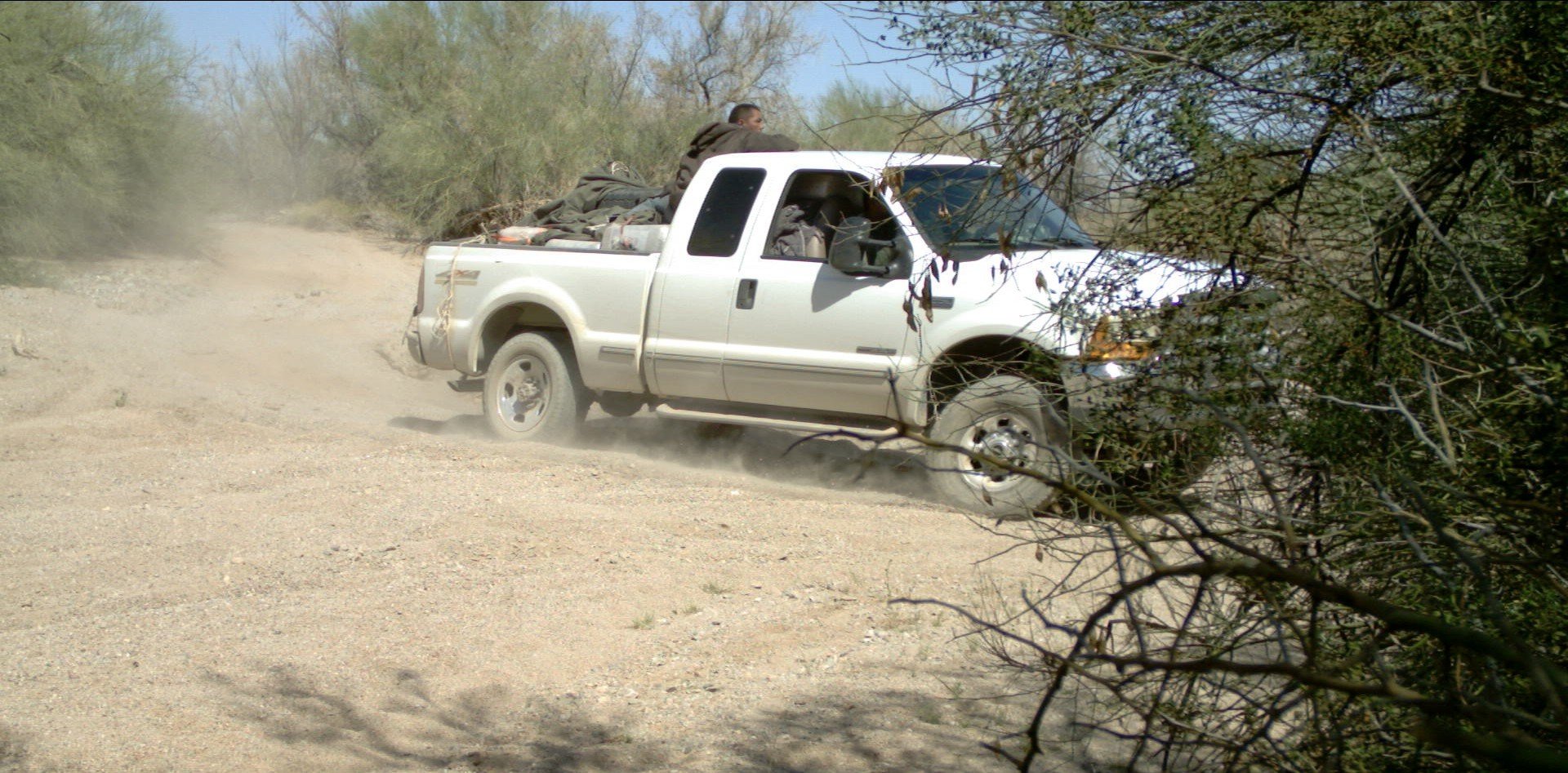
A load vehicle drove past Ryan and Richard in the middle of the day, with marijuana bundles visible in the back. The proximity underscored how openly the network operated. After a short pursuit, we seized approximately 1,800 pounds of marijuana from the vehicle.
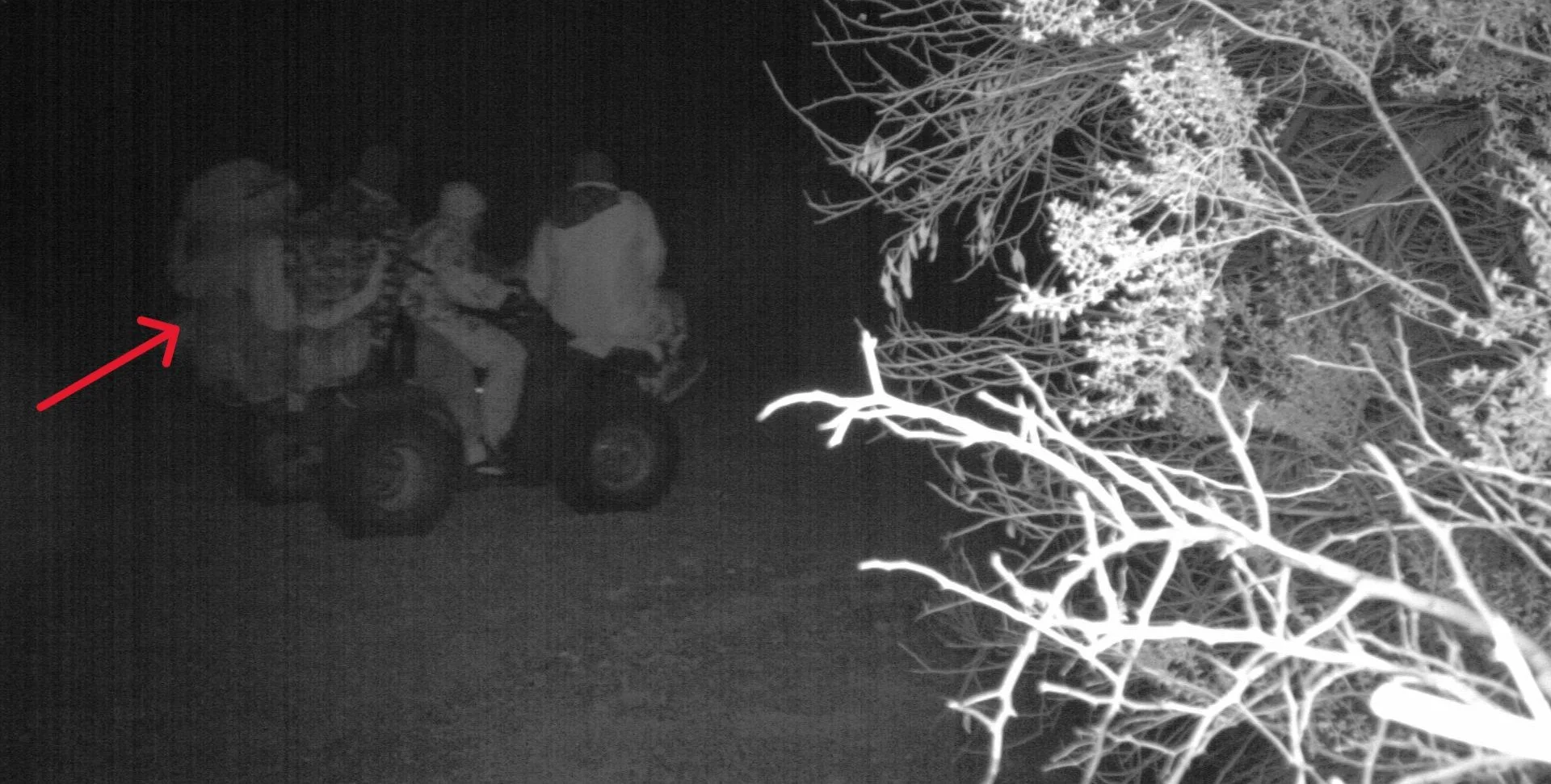
Under cover of darkness, we tracked the network’s movements in real time. An ATV loaded with marijuana passes through the corridor. One of many loads monitored through our surveillance.
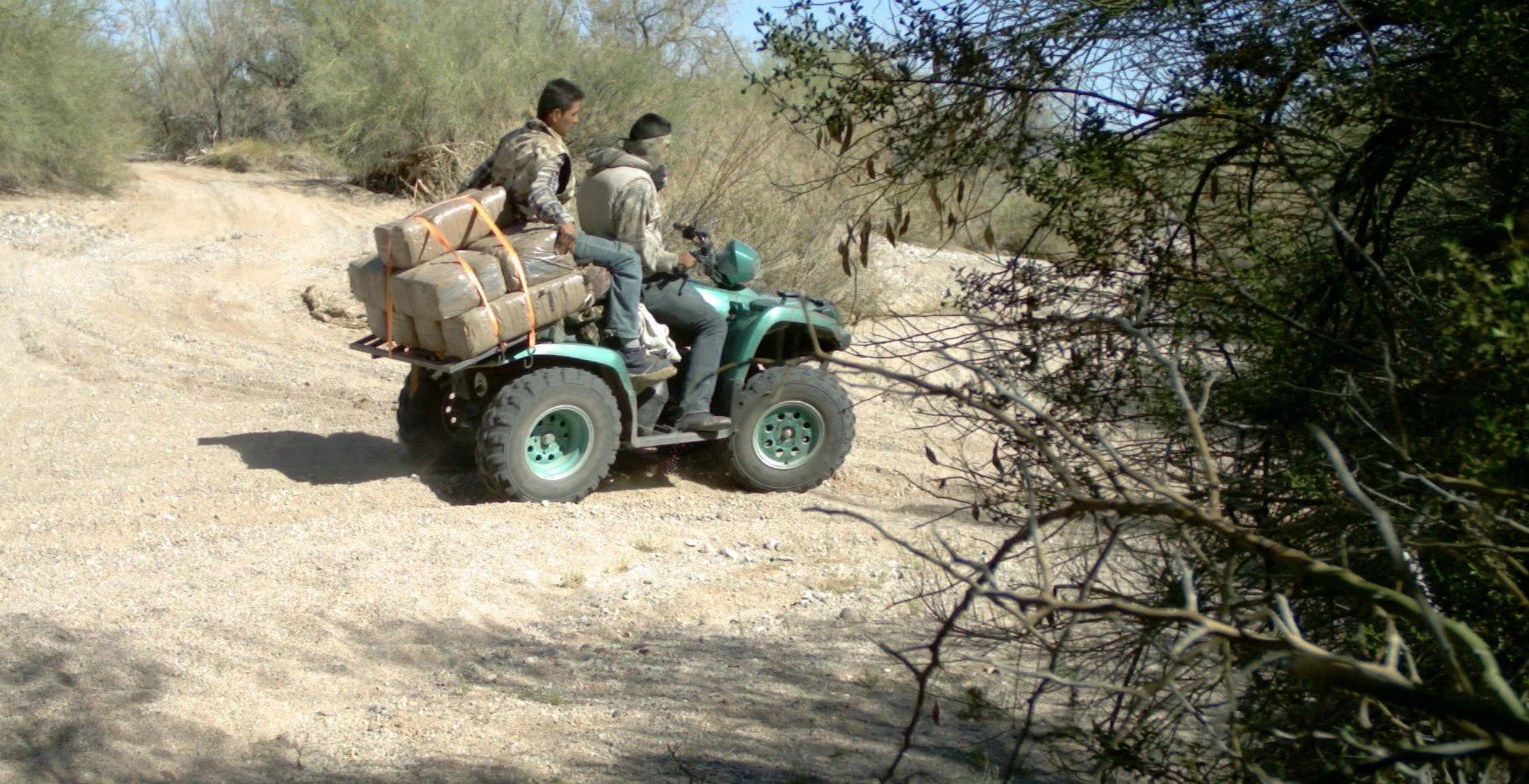
Two employees of “Memo” on an ATV with several bundles of marijuana wrapped in brown tape passed by in the middle of the day. Nearly every day of the week Memo and his organization were smuggling some sort of drug into the US via the Pipeline route.
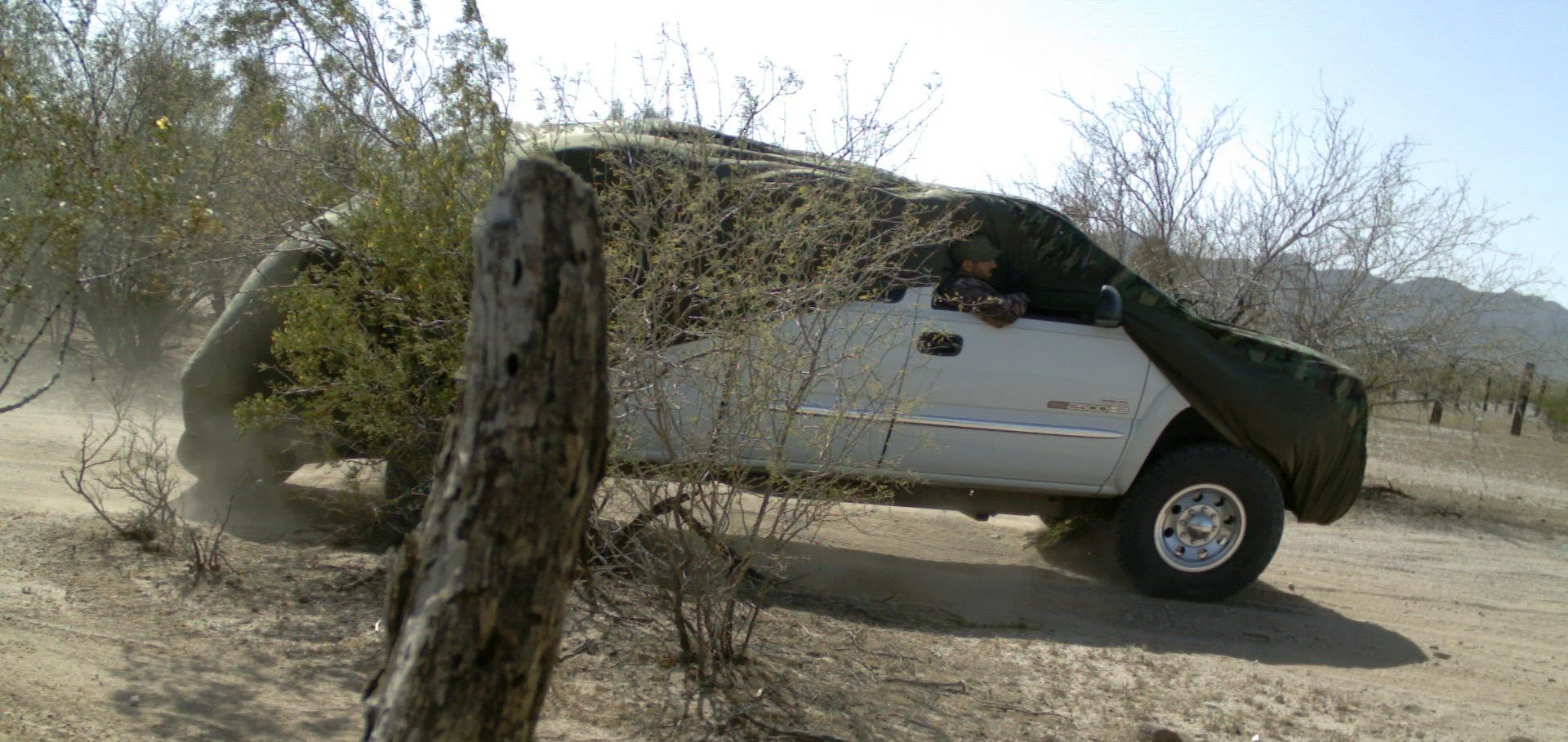
Memo’s crew drove heavily loaded vehicles along major smuggling routes in broad daylight. The camouflage cover allowed them to quickly hide the SUV in dense brush if law enforcement aircraft approached. Every movement was coordinated, with contingency plans.
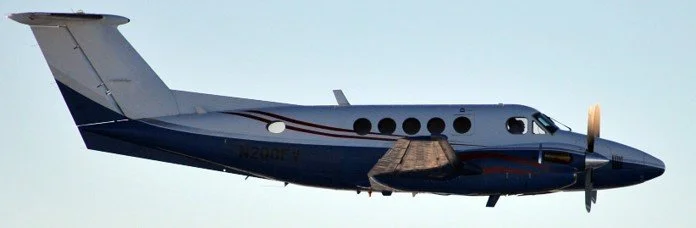
Actual surveillance photo of a Beechcraft King Air carrying cocaine north from the Venezuela/Colombia border. Aircraft like this moved product into the system long before it reached the US/Mexico border. Blacked-out windows concealed the illicit cargo.


Cash generated by the network. Even when loads were seized, the steady flow of money allowed operations to rebuild and continue.
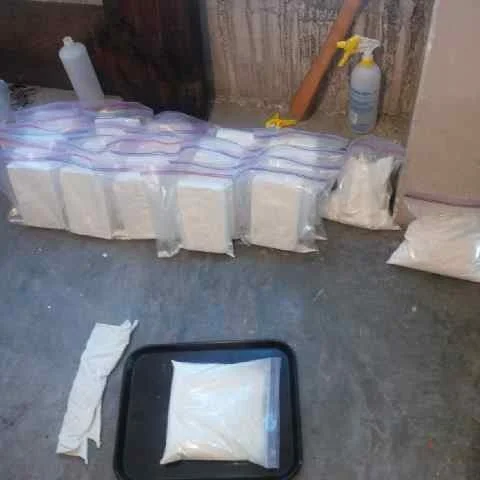
Cartel accounting. Each load was documented and tracked to verify delivery and prevent loss, evidence of a structured system, not random movement.
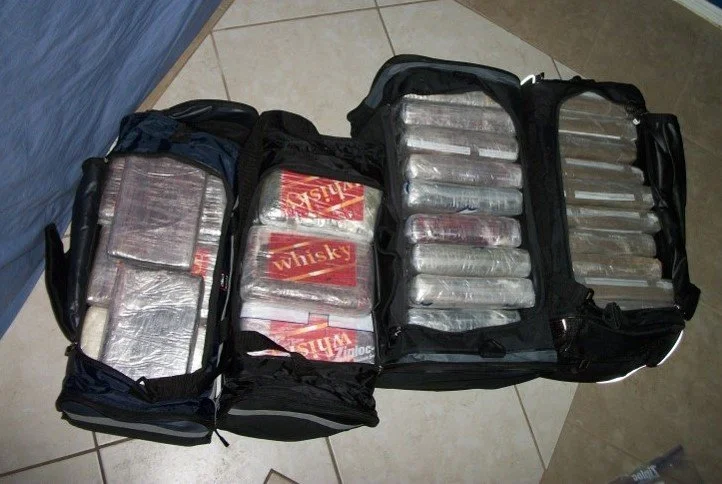
Cocaine seized in Phoenix, marked “WHISKY” to identify ownership within the network. Loads like this moved from South America through the same pipeline into US distribution hubs.
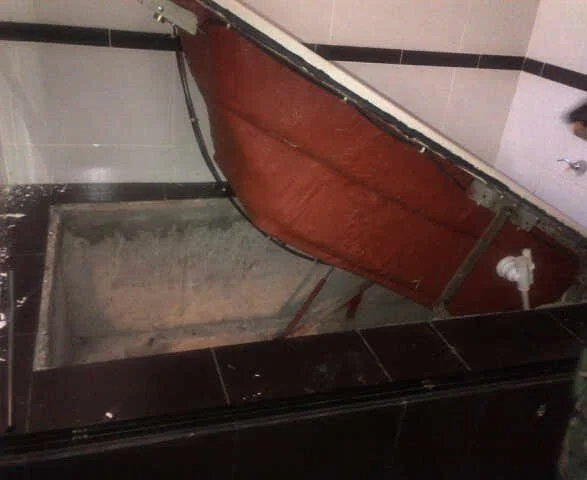
A bathtub concealing a tunnel entrance inside one of Joaquín "El Chapo" Guzmán’s safe houses in Culiacán. Identical setups were used across multiple locations. Standardized for rapid escape. Photo courtesy of J.H.
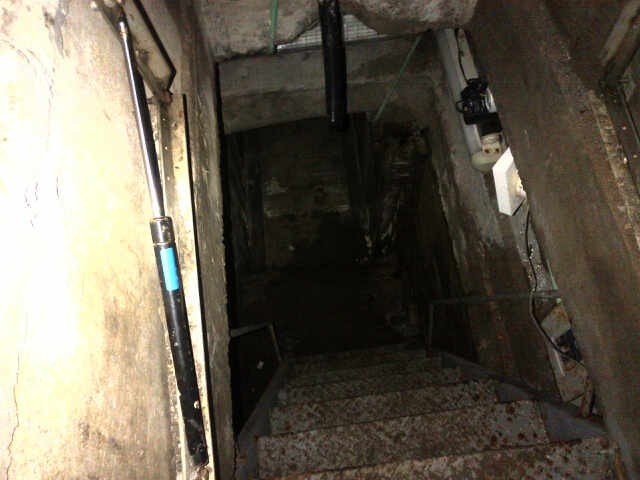
The escape route used by Joaquín "El Chapo" Guzmán, descending from a concealed bathtub into the sewer system beneath Culiacán. Photo courtesy of J.H.
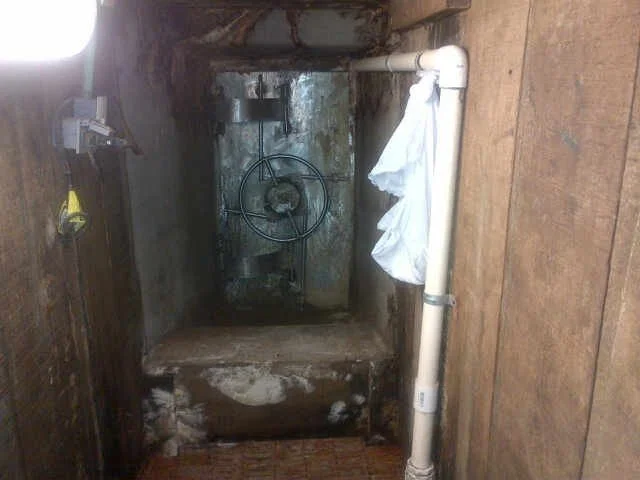
A tunnel connecting the concealed bathtub to the sewer system beneath Culiacán. The sealed hatch prevented flooding—evidence of deliberate engineering, not improvisation. Photo courtesy of J.H.
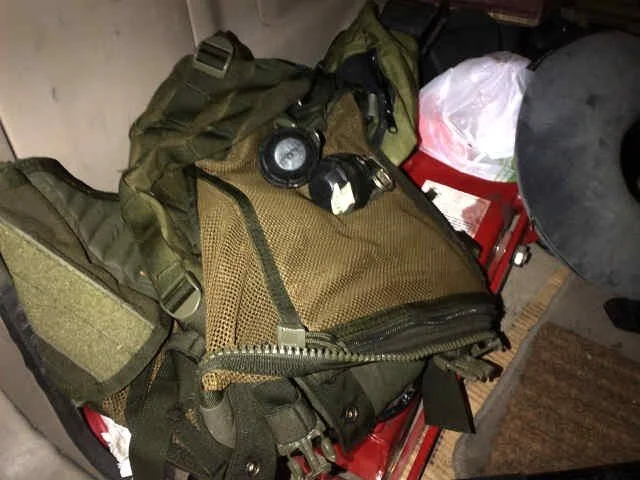
The vest and live grenades recovered from the sewer where Chapo fled through. Photo courtesy of J.H.
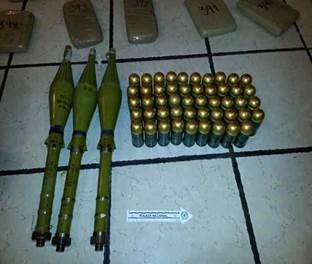
Weapons and drugs moved together. RPGs, ammunition, and cocaine seized from the same load. It was evidence of a network moving product and protection through the same routes.
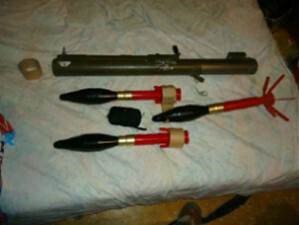
More protection for high-value loads.
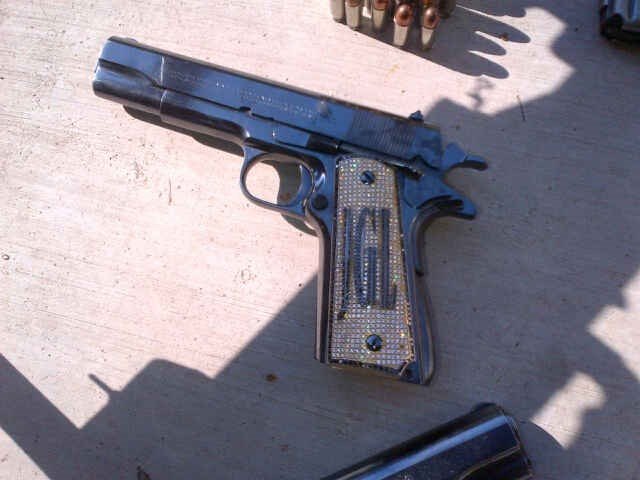
El Chapo’s personal pistol, marked with his initials “JGL”, a symbol of the violence behind the network’s leadership. Photo courtesy of J. H.
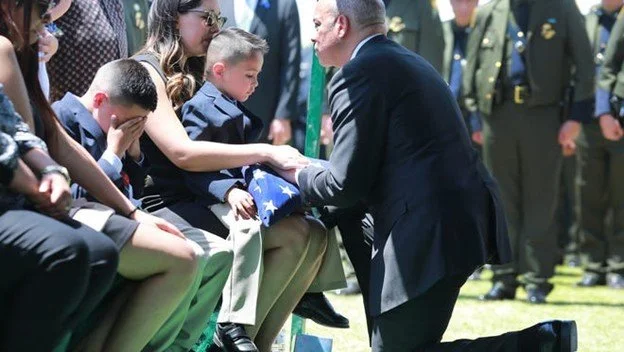
DHS Secretary Jeh Johnson presented a folded American flag to the widow of fallen Border Patrol Agent Jose “Joey” Barraza. (Photo © Victor Calzada / El Paso Times via Imagn Images, used with permission.)
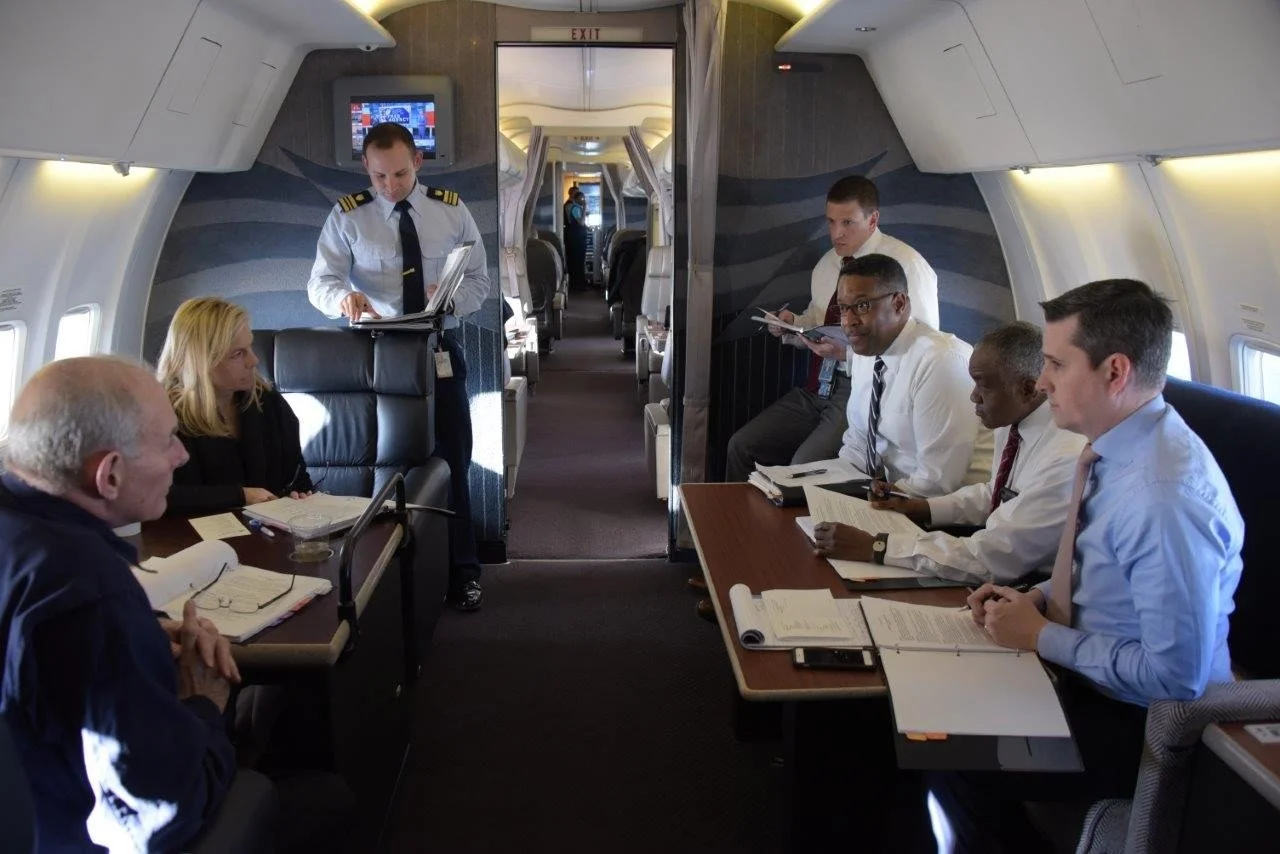
Aboard an Air Force aircraft during a high-level DHS operational briefing. My role as a law enforcement advisor placed me inside senior leadership discussions shaping national strategy. I am visible in the upper right corner.
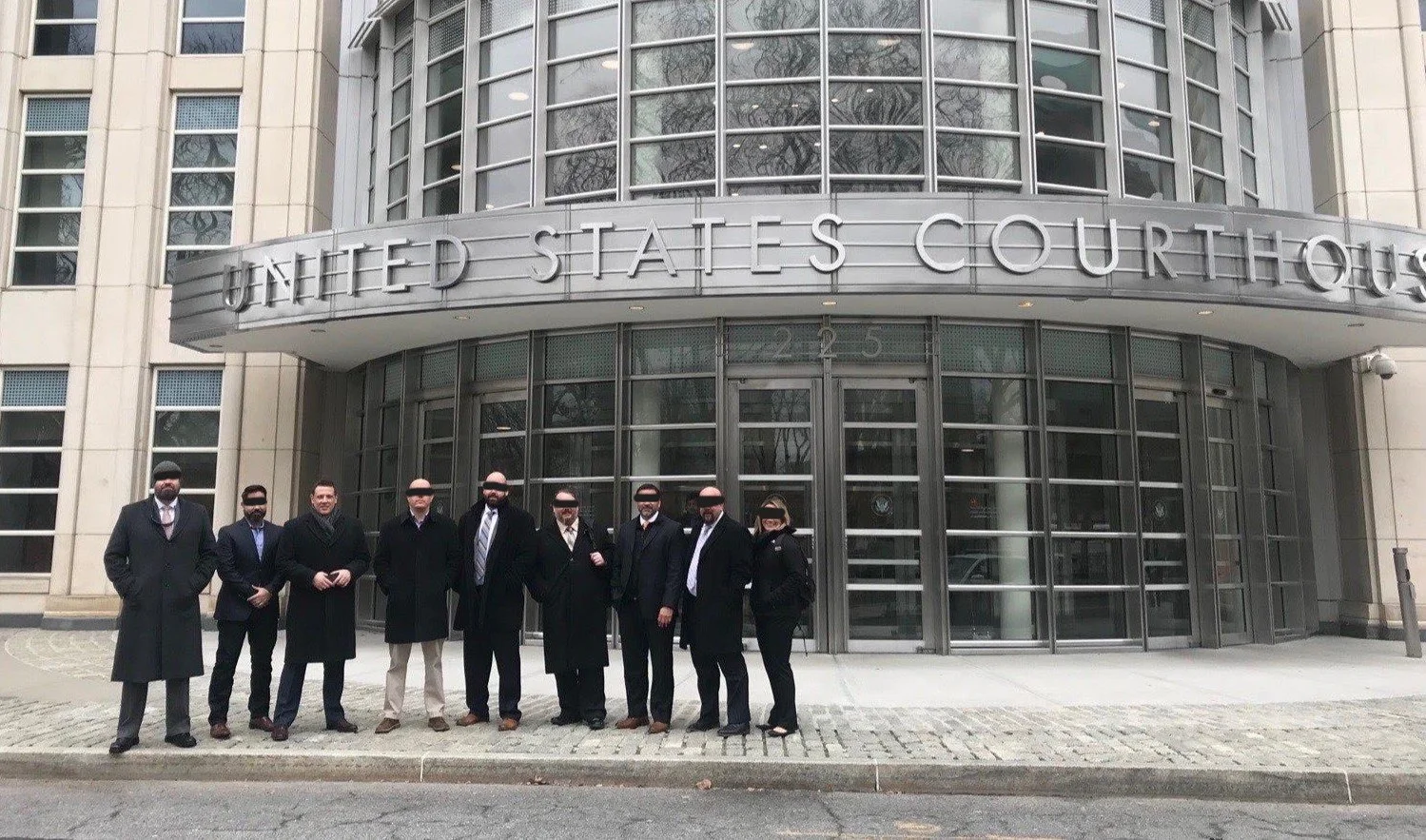
Our squad outside the federal courthouse in Brooklyn following the trial of Joaquín “El Chapo” Guzmán. I am third from the left. After years of investigations, arrests, and coordination across agencies, one of the most powerful traffickers in the world was finally held accountable. However; the system that made him powerful was still intact and still operating.
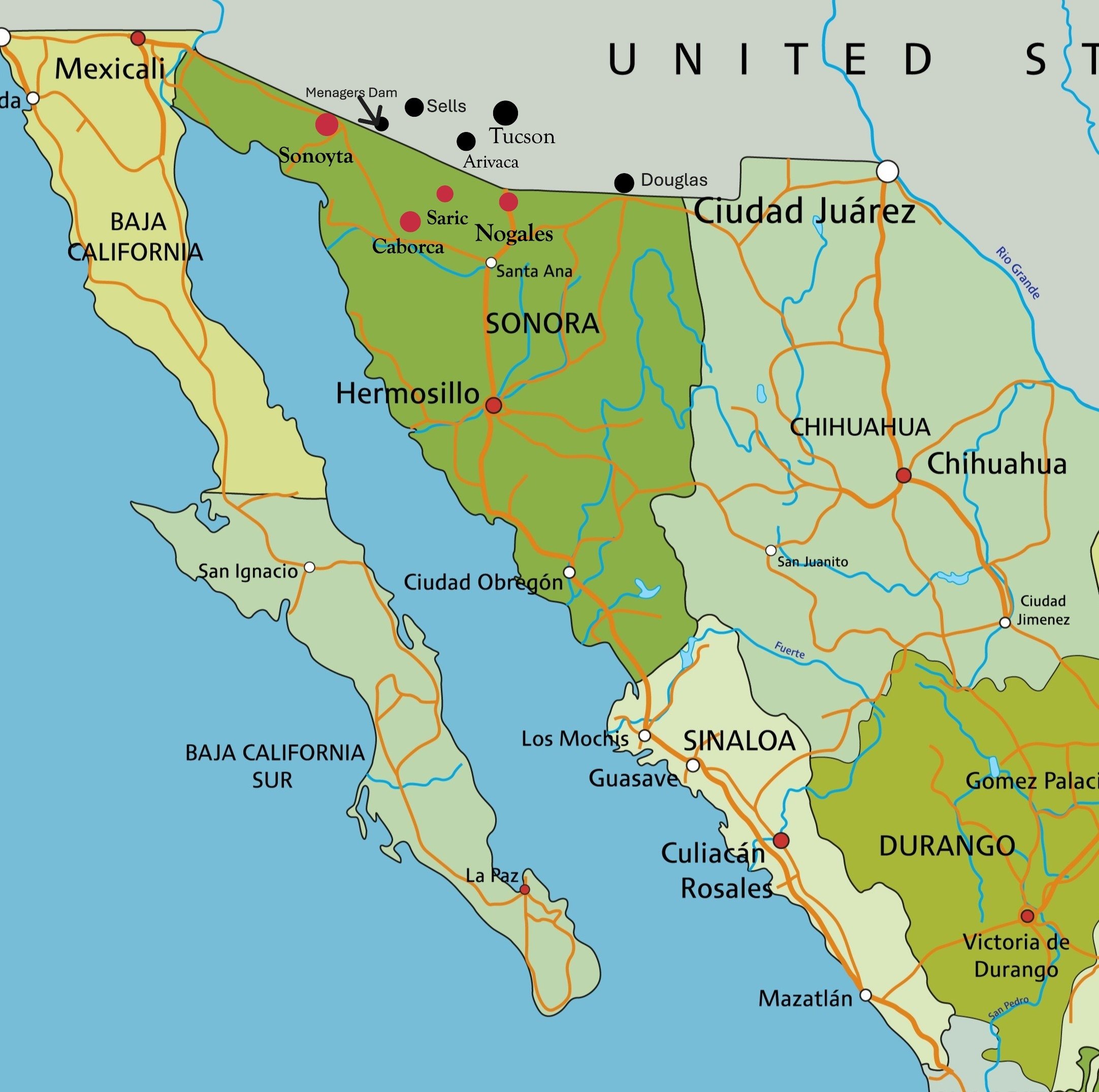
Map of northern Mexico and the border with some notable locations marked.